Nepal seeks early power imports from India after floods hit generation
Nepal has asked India to fast-track power import approvals from September after flash floods damaged its generation infrastructure, reducing output by 550 MW.
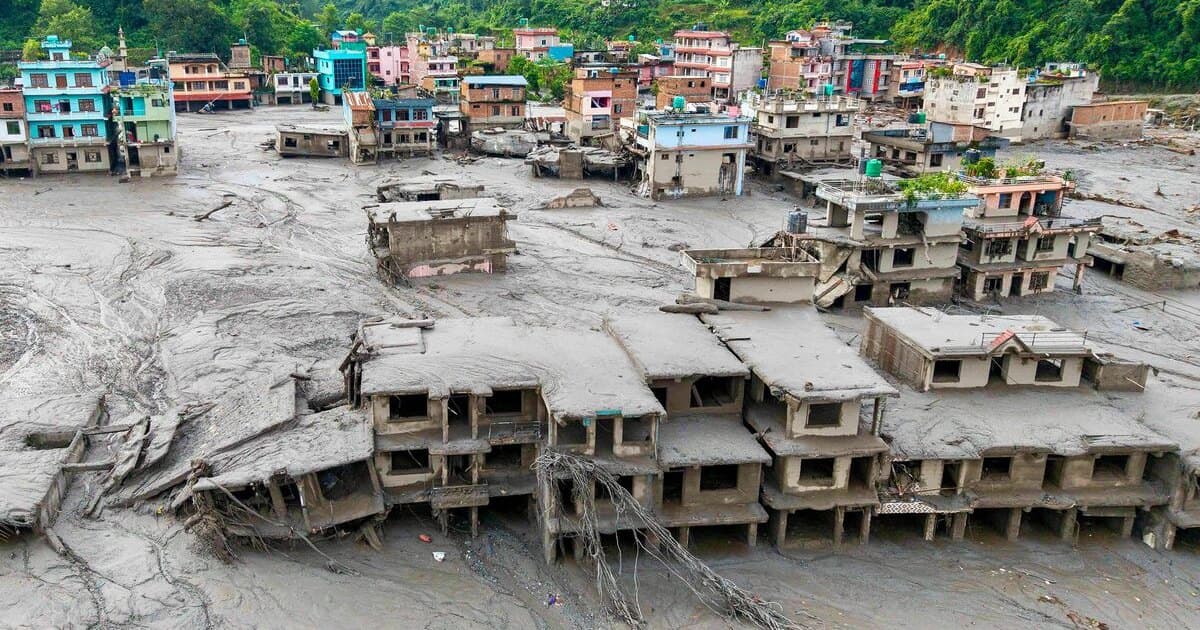
Kathmandu has formally requested New Delhi to advance the approval timeline for cross-border electricity imports, seeking to begin purchases from September this year. The request follows severe damage to Nepal's power infrastructure from flash floods in the Nepal-Tibet border region, which have claimed around 675 lives, according to Nepalese authorities.
Senior officials in India's Union Power Ministry confirmed on Saturday that the request is being processed. Nepal typically begins importing electricity from India only around October, during the winter months when its hydropower generation drops significantly. In the summer, the flow reverses, with Nepal exporting surplus hydropower to India.
Official data shows that in fiscal year 2025-26, India imported 3,299 million units (MUs) from Nepal while exporting 1,451 MUs to it. Any cross-border power transmission requires mandatory clearances from the Central Electricity Authority (CEA).
An internal assessment indicates Nepal's generation capacity has fallen by approximately 550 megawatts due to flood-related infrastructural damage. This has reduced cross-border power flow to India by roughly 400 MW from earlier peaks of 950–1,000 MW.
Despite the dip, Indian officials have ruled out any need for emergency procurement or alternative arrangements to balance domestic demand. "India's vast national grid capacity and robust generation reserve margins are capable of absorbing a temporary shortfall of 400 MW seamlessly," an official said, adding that grid stability and retail supply would remain unaffected.
Meanwhile, Nepal's meteorology department has warned of fresh rainfall and thunderstorms in the affected regions, raising concerns about further disruption.