Nepal seeks early power imports from India after floods hit hydropower
Nepal has requested early electricity imports from India after floods damaged hydropower plants, cutting generation by around 550 MW.
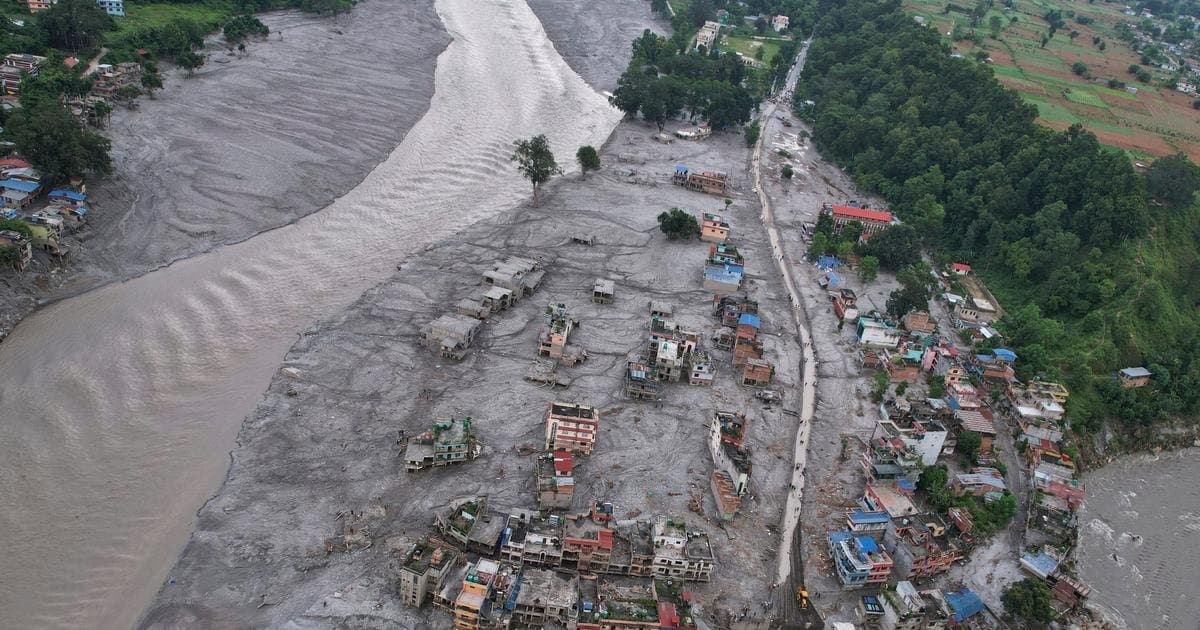
Nepal has asked India to approve electricity imports starting September, earlier than its usual schedule, after flash floods damaged hydropower infrastructure and reduced domestic generation capacity. The request is being processed under the existing cross-border power trade framework, with Indian authorities working to facilitate additional supply as required.
According to assessments available with Indian officials, Nepal's power generation capacity has dropped by roughly 550 MW following the floods. Cross-border power flow from Nepal to India has consequently fallen by about 400 MW from previous peak export levels of 900-1,000 MW.
Indian officials said the shortfall is temporary and does not warrant emergency procurement. India has sufficient reserve capacity to absorb the reduced imports from Nepal and ramp up generation without affecting grid stability or domestic supply.
The floods affected 13 hydropower plants, including several under-construction projects, and a solar plant, Nepal's Energy Ministry said. In Rasuwa district, operational plants with total capacity of 236 MW and three under-construction projects with combined capacity of 342.42 MW were hit. Affected projects include Upper Trishuli-1 (216 MW), Rasuwagadhi (111 MW), Rasuwa Bhotekoshi (120 MW), Sanjen Khola (78 MW), and Chilime (22 MW).
In Nuwakot district, four operational plants with total capacity of 123 MW and two under-construction projects with 52.6 MW capacity were affected. These include the Trishuli project (24 MW), Devighat (14.1 MW), Upper Trishuli-3A (60 MW), Upper Trishuli-3B (37 MW), Middle Trishuli Ganga (15.6 MW), and a 25 MW solar project.
Hydropower accounts for the bulk of Nepal's total installed generation capacity of around 4,300 MW. Nepal typically requests winter power imports from India around October, but this year's early request reflects the urgency of the flood damage.