Nepal Families Hold Symbolic Rites as Flood Toll Crosses 1,200
Families in Nepal perform symbolic cremations for loved ones lost in flash floods that killed over 1,200 and left 4,000 missing.
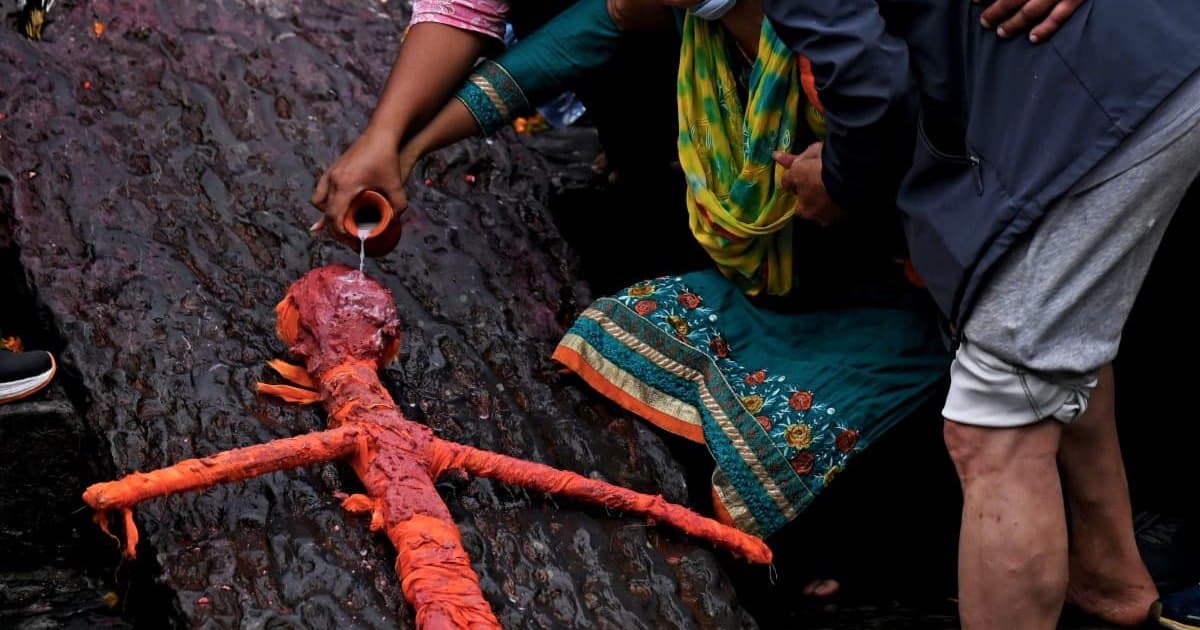
At the ghats of Kathmandu's Pashupati Nath temple, a somber ritual is unfolding: formal cremations of effigies made from grass and straw. These stand in for the bodies of flood victims that may never be recovered.
Last week, the Trishuli and Bhote Kosi rivers surged without warning after a massive chunk of a glacier broke away. Hundreds of people were swept away, and many remain unaccounted for.
The official death toll has surpassed 1,200, with more than 4,000 people still listed as missing. In Kathmandu's Tribhuvan hospital, over 150 unidentified bodies await claimants. Families move from ward to ward, searching for any mark or scar that might help them identify a loved one.
Downstream, in Bharatpur, the Narayani river has become a grim channel. Bodies continue to wash ashore daily, carried from the upstream flash-flood zones. More than 350 bodies have been recovered in the Chitwan area, and drones are scanning the river for more, including those caught on mud banks.
Authorities have arranged temporary burials in a nearby forest to reduce the risk of infection. DNA samples have been collected from the recovered bodies, and they will be handed over to families once matches are confirmed — a process that could take weeks.
Meanwhile, in Nuwakot district, one of the worst affected, priests are placing straw effigies along the Trishuli river and performing Hindu cremation rites. For families resigned to the possibility of never seeing their loved ones again, these symbolic funerals offer a final farewell and a measure of closure.