US Safety Regulator Opens Probe Into Tesla Cybercab Certification
NHTSA investigates Tesla's certification of its driverless Cybercab fleet for compliance with federal safety standards.
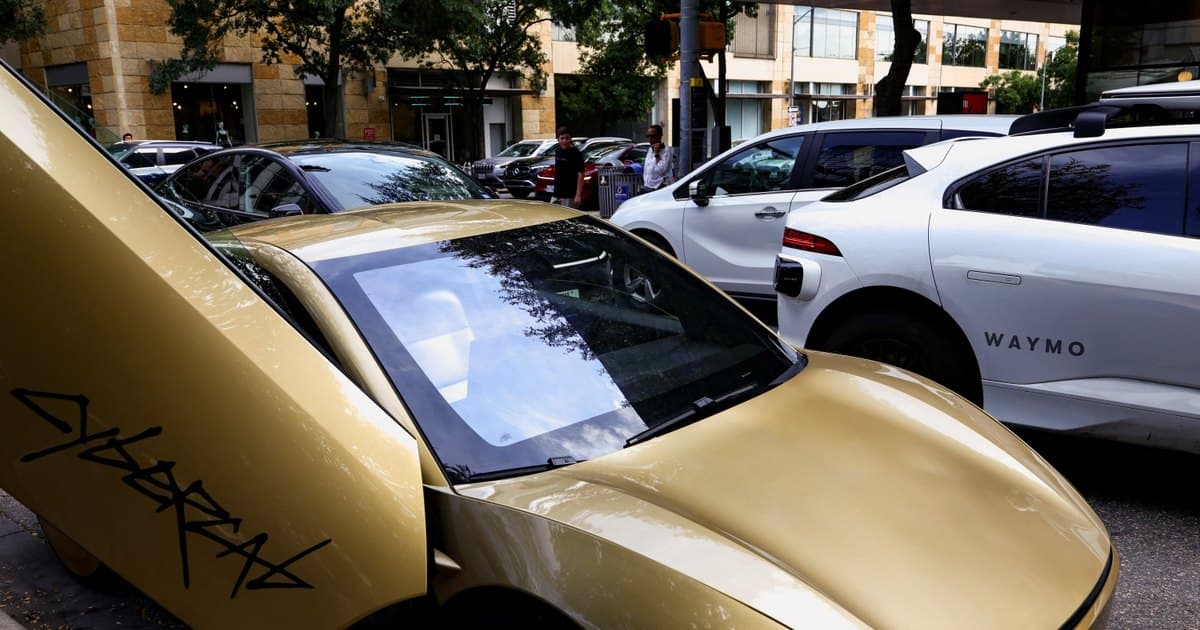
The U.S. National Highway Traffic Safety Administration (NHTSA) has launched an investigation into Tesla's certification of its Cybercab vehicles, focusing on whether the driverless two-seaters comply with federal motor vehicle safety standards.
The probe, announced on Friday, will examine the technical data and certification process Tesla used to claim compliance. The regulator specifically noted that the Cybercab lacks permanently attached manual controls such as a steering wheel, brake pedal, accelerator, and mirrors.
NHTSA will assess the basis for Tesla's determination that certain Federal Motor Vehicle Safety Standards do not apply to the vehicle. The investigation follows Tesla's commencement of commercial deployment of a small number of Cybercabs in Austin, Texas, with plans for gradual expansion.
State records show Tesla had 420 autonomous vehicles registered in Texas as of Friday morning, including 45 Cybercab vehicles. Tesla has not yet responded to requests for comment.
The probe comes amid ongoing regulatory evolution. In June, NHTSA proposed eliminating the requirement for manual brake pedals in self-driving vehicles, and has suggested other changes to federal standards to accommodate autonomous vehicles without human driver equipment.
Under current law, fully self-driving vehicles do not require NHTSA approval if they include human controls. However, the agency can grant petitions allowing up to 2,500 vehicles per manufacturer annually to operate without such controls. In July, NHTSA approved a petition from Amazon's Zoox unit for limited commercial deployment of its steering-wheel-free robotaxis, marking a first for the autonomous ride industry.