Nicotine pouches slip through India's tobacco and vape bans
Nicotine pouches are not clearly covered by COTPA or India's vape ban, raising questions about their legal status, import, and sale.
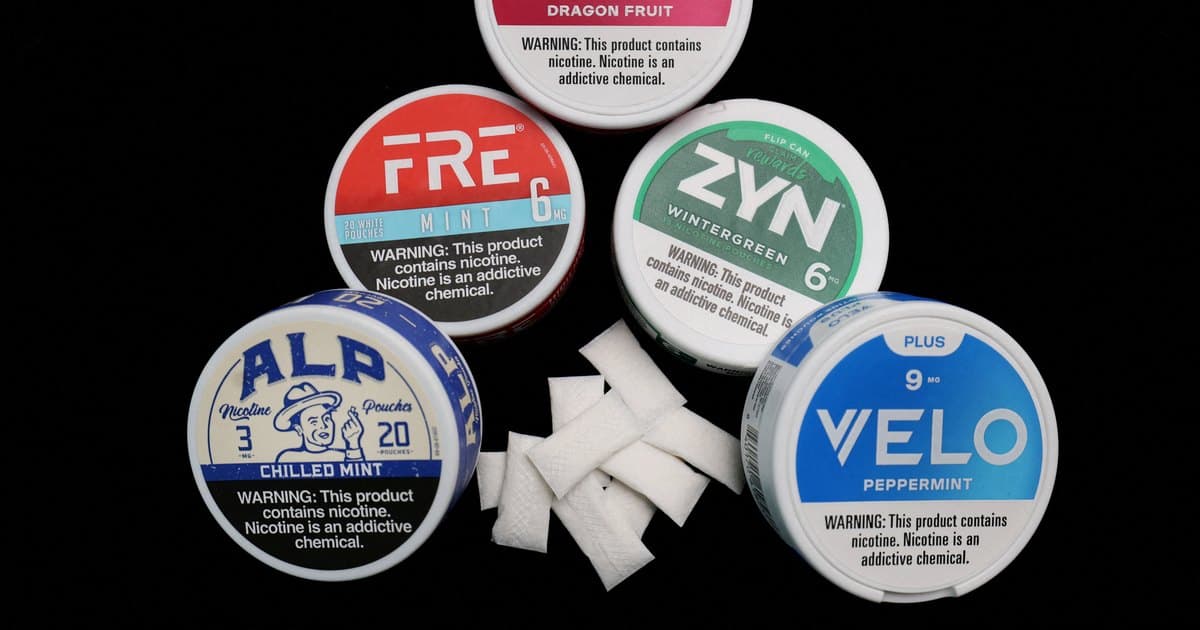
Nicotine pouches, a smokeless product that delivers nicotine without tobacco leaf, are raising legal questions in India because they appear to fall outside the scope of existing tobacco and vaping regulations.
The primary law governing tobacco control in India, the Cigarettes and Other Tobacco Products Act (COTPA), was drafted to regulate products containing tobacco. Nicotine pouches, however, are typically made with synthetic nicotine or nicotine extracted from tobacco, but do not contain the tobacco leaf itself. This distinction means they may not be classified as a tobacco product under COTPA, leaving them outside its restrictions on sale, advertising, and consumption.
Similarly, India's ban on electronic cigarettes, enacted through the Prohibition of Electronic Cigarettes Act, targets devices that heat a liquid to create an aerosol. Nicotine pouches are not devices and do not involve inhalation, so they do not qualify as e-cigarettes under that law.
Another legal question is whether nicotine pouches could be treated as food under Indian law. The Food Safety and Standards Act regulates food products, but nicotine is not approved as a food ingredient. If the pouches are considered food, they would require safety approval; if not, they may exist in a regulatory vacuum.
Import rules add another layer of complexity. India's import policy generally restricts goods that are not compliant with domestic laws. Since nicotine pouches are not explicitly banned or regulated, their legal importability remains ambiguous, though customs authorities could potentially classify them as unapproved substances.
Duty-free shops, which operate under separate customs regulations, also present a loophole. These outlets are permitted to sell goods that may be restricted elsewhere in the country, raising the possibility that nicotine pouches could be legally retailed there even if their sale is questionable elsewhere.
This regulatory gap leaves consumers, retailers, and enforcement agencies without clear guidance on the status of nicotine pouches, creating an urgent need for legal clarification or new legislation to address the product category.