The No. 2 pencil: How a simple tool became an American classroom icon
The No. 2 pencil's journey from American innovation to classroom staple, and its enduring role in an increasingly digital age.
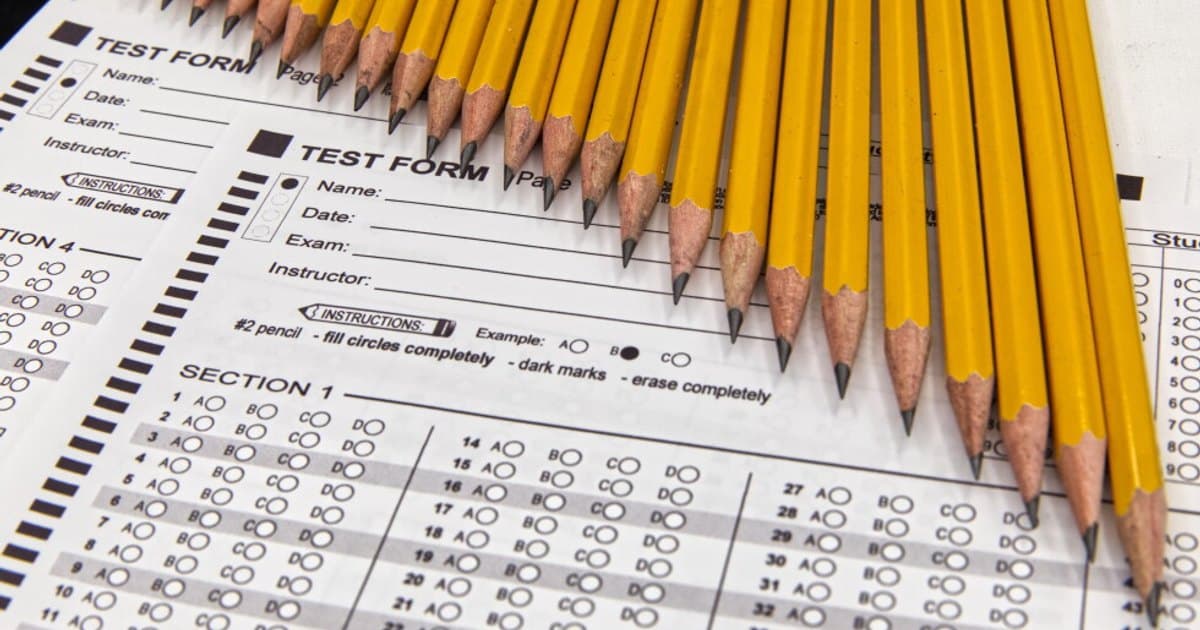
For generations of American students, the sharpened No. 2 pencil has been a constant companion — from tracing first letters to filling in bubbles on standardized tests. Its familiar yellow body and attached eraser have made it a fixture of back-to-school shopping lists for decades.
While the pencil itself was not invented in the United States, American industry gave it its iconic form. Pencil historian Caroline Weaver notes that painting pencils yellow and attaching an eraser with a metal ferrule is a distinctly American contribution. Until the mid-1800s, pencils in America had no erasers, and eraserless pencils remain standard elsewhere in the world.
One of the country's early pencilmakers was John Thoreau, father of writer Henry David Thoreau. The younger Thoreau worked for the family's Massachusetts pencil company in the mid-1800s before retreating to Walden Pond. He is credited with pioneering the grading scale of 1 to 4, with No. 2 striking the ideal balance of graphite and clay — dark enough for legibility, yet not too smudgy. (Despite common usage, pencils have never contained lead.) The rest of the world uses a similar "HB" scale.
The eraser end also carries American innovation. The metal ferrule has held erasers for over a century, except during World War II, when rationing forced a shift to plastic and even cardboard alternatives.
Today, as schools move toward laptops and online testing, the No. 2 pencil has become less ubiquitous. Yet a countertrend has emerged: many institutions now require handwritten exams to prevent AI-assisted cheating and give students a break from screens. So the No. 2 pencil endures, a simple tool that, as Weaver suggests, represents a kind of democratic equality — nearly everyone, at some point, has written, sharpened, or nervously chewed on one.