Investors and scientists team up to restore degraded North Carolina peatland
A major restoration project in North Carolina aims to rehabilitate a drained peatland, curbing its large annual carbon dioxide releases.
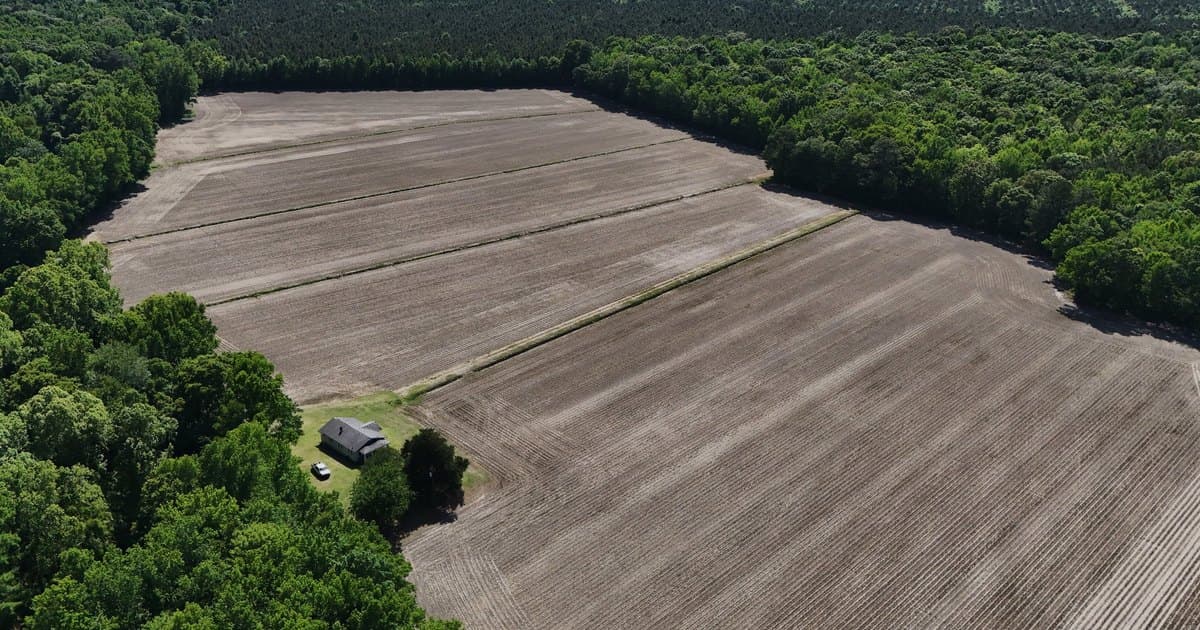
A significant ecological restoration effort is underway in North Carolina's Inner Banks, where investors and scientists are working to revive a 23-square-mile (60-square-kilometer) tract of degraded peatland. The project aims to curb emissions of climate-warming carbon dioxide and regenerate native habitats.
The site was drained decades ago by roughly 50 miles (80 kilometers) of ditches dug for an abandoned farming venture. This dewatering exposed thousands of years of accumulated peat—partially decayed organic matter up to 15 feet (4.6 meters) deep—leaving it vulnerable to drought and wildfires. The degraded land now emits an estimated 130,000 tons of carbon dioxide annually.
Peatlands are globally significant carbon stores. Although they cover only about 3% of the Earth's land surface, they hold roughly one-third of the planet's soil carbon—more than all forests combined. When healthy and waterlogged, they trap greenhouse gases from decomposing plants in an oxygen-deprived environment while surface vegetation absorbs CO2. They also store about 10% of global freshwater, help control flooding, and provide critical habitat.
However, degraded peatlands become major emitters. When drained and dried, they can burn underground for weeks, releasing vast quantities of carbon and destroying millennia of accumulated organic matter. Currently, degraded peatlands contribute about 6% of annual global greenhouse gas emissions.
The threat is widespread. A 2025 study found that two-thirds of temperate peatlands, mostly in Europe and the U.S., have been dewatered, while about 45% of tropical peatlands have been disturbed. Boreal peatlands in colder regions remain largely intact but face new pressures from thawing permafrost and intense fires.
In North Carolina alone, 11,000 miles (17,702 kilometers) of canals drain peatlands into coastal estuaries. The type of peatland found there, common along the Eastern Seaboard, is among the most threatened in the world.
Colorado-based Pantheon Regeneration is leading the restoration effort. The company plans to block off ditches to control the water table, significantly reducing CO2 emissions. It will then remove invasive species and replant native grasses and other vegetation.
To fund the work, Pantheon intends to sell carbon credits to technology firms and other corporations seeking to offset their own emissions. The revenue will support the restoration and preservation of up to a million acres of peatland stretching from Virginia to northern Florida over the next decade.