Oil importers redraw supply maps as Middle East tensions persist
Major oil importers are diversifying away from Middle East supplies due to geopolitical tensions, accepting longer, costlier routes from the Americas and Africa to bolster energy security.
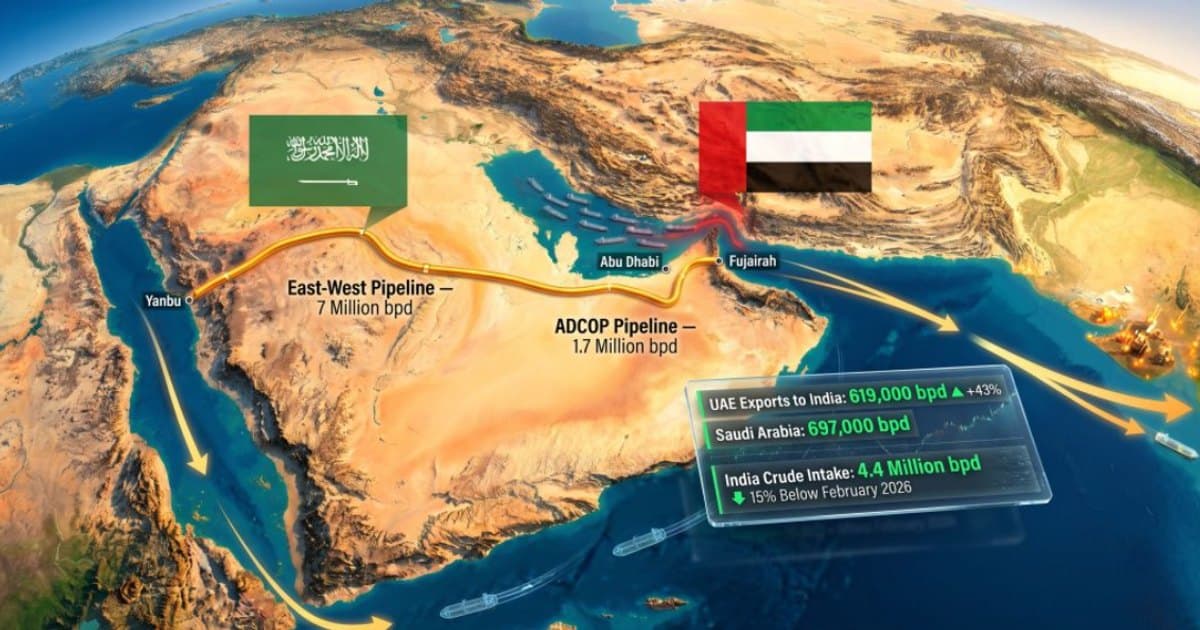
The geography of global crude oil trade is being redrawn. Major importers, long accustomed to short, efficient supply lines from the Middle East, are now building more dispersed networks that favor resilience over cost. This shift is a direct response to ongoing tensions involving Iran, which have disrupted flows through the Strait of Hormuz and prompted a strategic rethink among the world's largest buyers.
Japan, the world's fifth-largest oil importer, illustrates the scale of this transformation. Historically, over 90% of its crude came from Middle Eastern suppliers like Saudi Arabia and Iraq, delivered via a straightforward 21-day voyage. However, with Gulf exports falling sharply since late February, Japan has pivoted towards North America. Imports of U.S. crude from March through June surged more than 400% year-on-year, helping offset a 54% decline in Middle Eastern shipments. This switch, however, adds nearly nine days to the journey, raising shipping costs and complicating refinery scheduling.
South Korea and India have similarly revamped their sourcing, increasing flows from the Americas and Africa. China, the top buyer, has so far leaned on strategic reserves but is expected to re-enter the market for non-Gulf supplies later in 2026, intensifying competition.
For exporters, this demand is a boon. U.S. crude exports hit a record 61.6 million metric tons in the second quarter, a 43% jump year-on-year. Brazil, Argentina, Guyana, and Russia have also posted record shipments. The distances involved are stark: a voyage from Brazil's Acu terminal to India's west coast takes roughly 25 days, versus 3-5 days from Fujairah or Ras Tanura.
Despite the higher costs, importers value the supply-chain resilience that a diverse vendor base provides. Many American and African routes bypass chokepoints like Hormuz, the Suez Canal, and the drought-affected Panama Canal. Analysts suggest these new purchase patterns are likely to persist as a hedge against continued uncertainty, cementing a new, less efficient but more redundant energy trade map.