Oil hits six-week high as Iran threatens Gulf energy targets
Oil prices rose to six-week highs as Iran threatened Gulf energy infrastructure, escalating regional tensions and tightening supply.
Oil prices climbed to their highest level in six weeks on Monday, driven by escalating Middle East tensions and fresh threats from Iran to target energy infrastructure across the Gulf region.
Brent crude futures rose 0.9% to $97.13 a barrel, after touching an intraday high of $98.06 — the strongest since July 24. US West Texas Intermediate (WTI) crude gained 1.3% to $92.63, also reaching its highest point since late July.
The rally follows a weekend of tit-for-tat strikes between the United States and Iran, which targeted oil tankers and warships. Iranian Parliament Speaker Mohammad Baqer Qalibaf warned that any further US attacks on Iranian assets would be met with retaliation, in remarks that appeared to respond to US Defense Secretary Pete Hegseth's statement that Tehran's oil fleet was "defenseless."
Maritime intelligence firm Marisks noted that commercial tankers are now being deliberately used as instruments of economic pressure, blurring the line between military confrontation and commercial shipping.
Regional tensions were further heightened by Israeli strikes on a town in southern Lebanon that killed at least 12 people on Monday, according to the Lebanese health ministry — one of the deadliest days of bombardment in recent weeks.
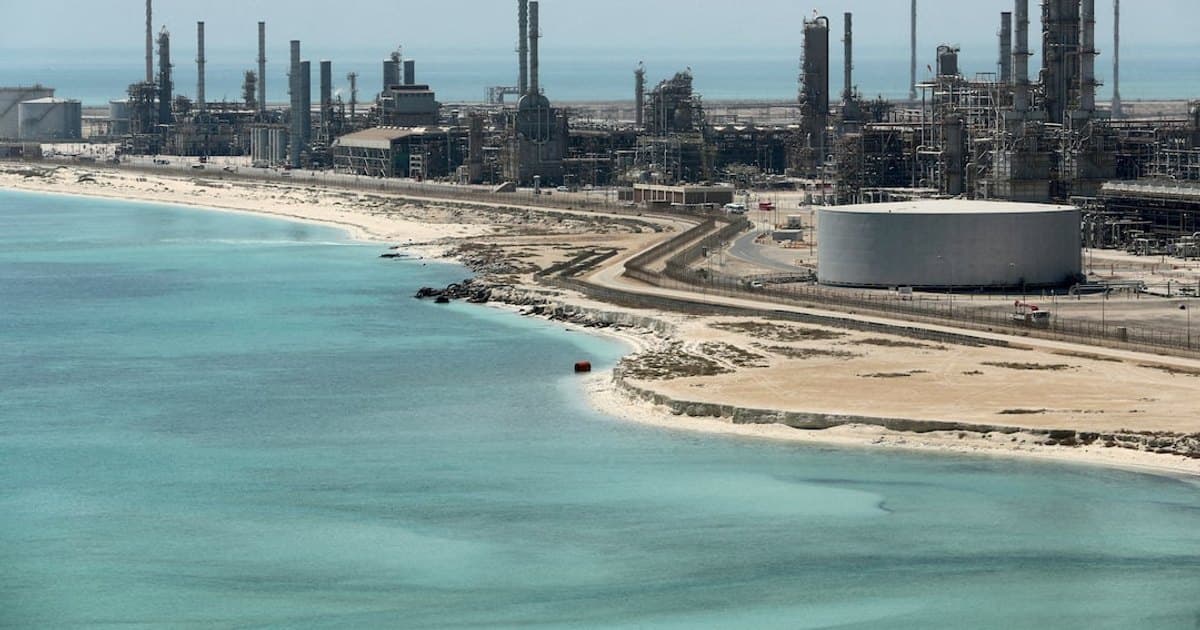
Separately, Saudi Aramco's Jazan oil refinery was attacked on Monday, with damage being assessed, according to a Financial Times report. This follows an attack on a Saudi-owned tanker last week that killed two seafarers, from which Oman said it had evacuated 16 crew members.
Data from analytics firm Kpler showed that an average of just 10 commodity ships transited the Strait of Hormuz per day over the past 10 days — the lowest since May. Iran has announced it will declare a restricted zone outside the strait in the coming days.
"If tanker traffic begins to slow materially, the market could price in a much larger supply shock," said Priyanka Sachdeva, head of market insights at Phillip Nova. Goldman Sachs has suggested oil prices could rally to $120 a barrel if shipping attacks intensify.
In the United States, inventories of gasoline and distillate fuel are substantially below year-ago and five-year seasonal averages, according to PVM Energy analysts, who described the current supply picture as "slightly more dire" than a few weeks ago.
Meanwhile, the UAE is building alternative routes for its energy exports to avoid being "held hostage" by the conflict, said presidential adviser Anwar Gargash. OPEC+ kept its output policy unchanged for October at a meeting on Sunday, as it needs to agree on new quotas before deciding next steps.