Pacific island leaders seek climate funds as geopolitical interest grows
Pacific island leaders in Palau urge major polluters to fund climate adaptation, as rising seas threaten communities and a UN report warns of warming overshoot.
As storm surges wash into homes in Melekeok state on Palau's main island, residents like Bol Sebalt are pressing for a move inland. But the 43-year-old legislative clerk says funding for relocation infrastructure is arriving in small, slow increments. "We cannot move faster than climate change," she said.
Her community of about 300 people is one of many across the Pacific facing a similar dilemma. Leaders gathered this week for the Pacific Islands Forum in Palau are again debating how small nations with limited global influence can convert the geopolitical interest of major powers into financial support for survival.
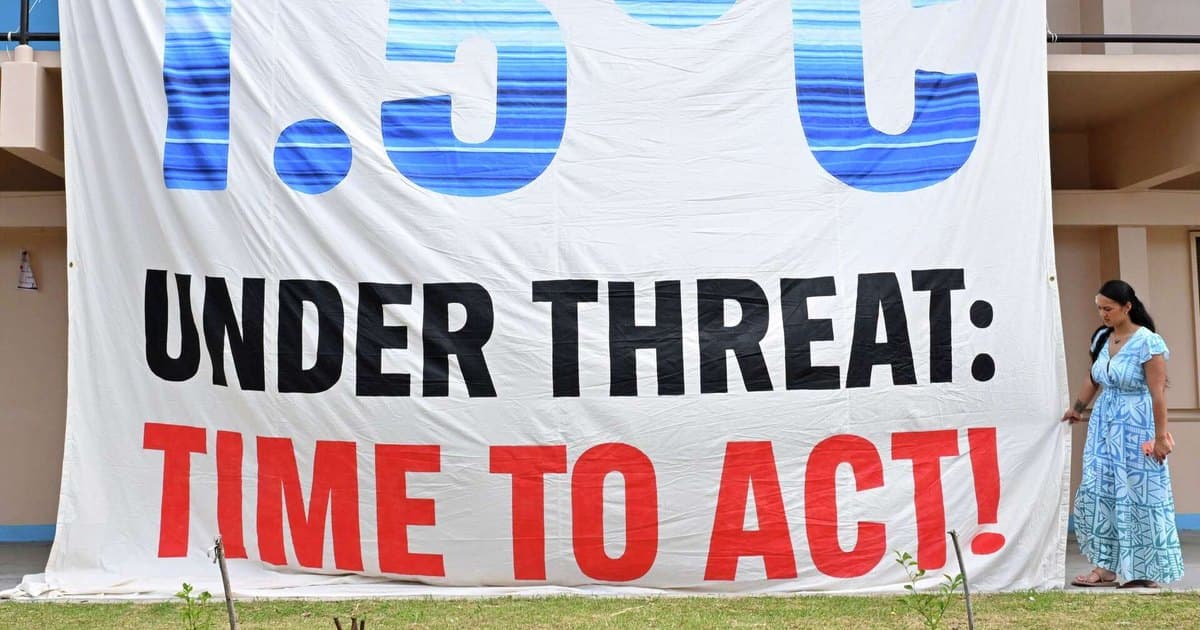
A new UN report, released during the summit, warns that global temperatures are likely to exceed the 1.5°C threshold set under the 2015 Paris agreement within the next few years. Pacific officials said that would be too late for their countries.
"Loss and damage is a reality that currently exists in my country," said Ralph Regenvanu, Vanuatu's climate adaptation minister. He said the losses include "our ancestral lands, our heritage, our identity," and that no amount of finance could fully restore them.
Tuvalu's climate minister, Maina Talia, said the only path forward is to keep pushing for the 1.5°C target. "The only way out for us is to ensure that we continue to push for 1.5, to stay alive, to stay in our countries," he said.
Warmer seas are expected to harm Pacific tuna fisheries, which account for about 30 percent of the global catch, and the mangroves where fish breed, according to the Pacific Community (SPC). This year's El Nino has already caused drought in some areas and flooding in others, and such extremes are likely to intensify.
Climate change is consistently listed by the Forum's 18 member states as their top concern, but the agenda is often overshadowed by great-power rivalry. Palau's President Surangel Whipps Jr. suggested this week that countries seeking influence in the region could instead fund climate projects, including his goal of making the Pacific the first region powered entirely by renewable energy.
A Pacific-managed fund, the Pacific Resilience Facility (PRF), was created to finance grassroots adaptation projects but has struggled to attract pledged donations. Tonga's Prime Minister Fatafehi Fakafanua said the facility was designed to deliver funding quickly, unlike traditional international financial institutions with lengthy processes.
Tensions also persist between small island states and the Forum's largest members and donors, Australia and New Zealand. Australian Prime Minister Anthony Albanese said his country's energy transition cannot "happen overnight." But Regenvanu countered that Australia, as a major fossil fuel producer, should at least stop expanding its industry.
For residents like Sebalt, who is one of 200 trained disaster-readiness volunteers in Palau, the urgency is personal. She has moved to a new inland subdivision but remains the only resident so far, waiting for basic services to be completed. The gap between promises and delivery, she said, is a race against time.