Tihamah Attack Exposes Gap Between Pak Navy Drills and Citizen Safety
A missile attack on the Tihamah killed six, including Pakistanis, prompting scrutiny of whether naval exercises prepare Pakistan to safeguard its citizens at sea.
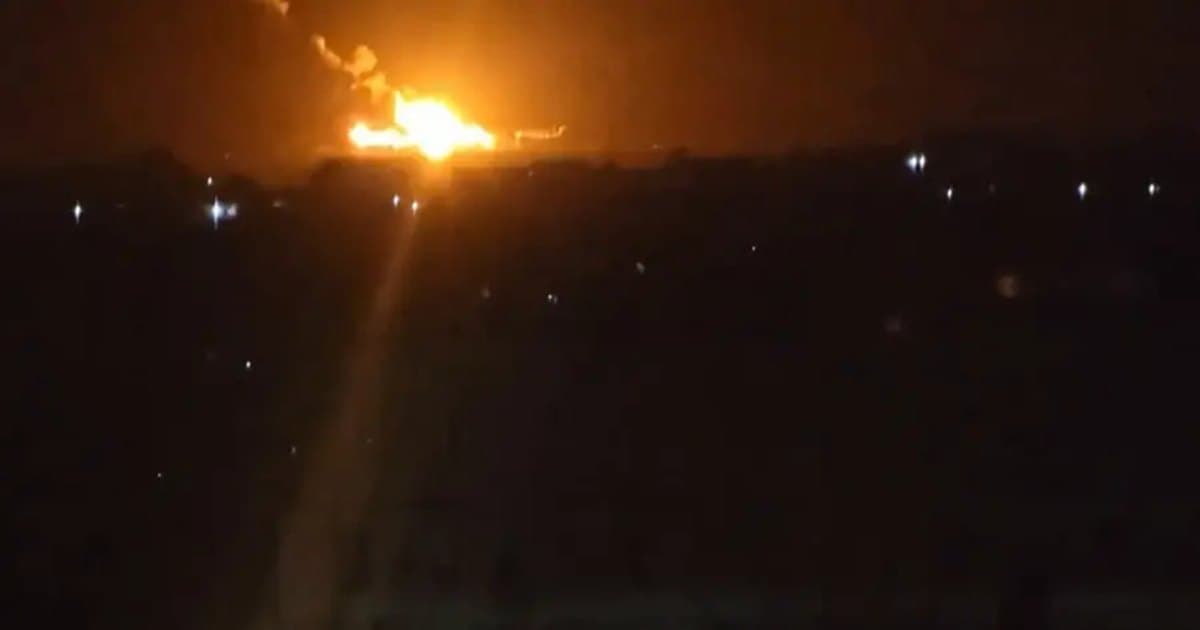
The Pakistan Navy's annual calendar is packed with exercises. The multinational AMAN drills and the SEASPARK series are designed to test combat readiness and operational coordination with allied forces. However, the missile attack on the commercial vessel Tihamah in the Bab al-Mandeb Strait on August 11 has shifted the focus from conventional war-fighting to a more specific concern: the protection of Pakistani citizens caught in maritime conflicts far from home.
The attack killed six people, including three Pakistani crew members and one Indonesian national. Two Yemeni rescuers also lost their lives. According to Yemeni authorities, the vessel was struck three times by ballistic missiles, with another missile reportedly fired even as rescue teams were attempting to reach the crew.
This incident highlights a critical distinction between general naval readiness and mission-specific preparedness. While exercises like AMAN focus on interoperability, anti-piracy, and search-and-rescue, they do not appear to include a dedicated scenario for protecting a Pakistani-crewed commercial vessel from a missile strike in a distant, active conflict zone.
A modernising fleet, including new Chinese-built frigates and submarines, enhances Pakistan's conventional capabilities. Yet, a submarine designed for underwater warfare offers little direct protection to a merchant ship under missile attack. Responding to such a threat would require a complex combination of surveillance, early warning, air defence, and the ability to conduct rescue operations under fire—capabilities that demand a specific operational mandate and rules of engagement.
Following the attack, Pakistan's diplomatic response was swift. Deputy Prime Minister and Foreign Minister Ishaq Dar condemned the strike, and the government facilitated the return of injured sailors and the repatriation of the remains of victims. Six injured Pakistani sailors returned home, along with the bodies of two others.
The Tihamah incident raises a fundamental question that extends beyond fleet size or the number of nations participating in exercises. It asks whether Pakistan has a mechanism to identify threats to its nationals aboard commercial vessels, assess them in real time, and deploy an appropriate response. The answer may require coordination between the navy, the foreign ministry, maritime authorities, and international partners, rather than relying on the navy alone.