Psilocybin Shows Promise Against Chemo Nerve Damage; C. Diff Risk in Infants
Psilocybin prevented chemo-induced nerve damage in mice. Separately, C. diff bacteria may reshape infant guts without symptoms.
Two early-stage studies published in the journal Science offer fresh insights into nerve protection during cancer treatment and the hidden effects of a common gut bacterium in infants.
Psilocybin and Chemotherapy-Induced Neuropathy
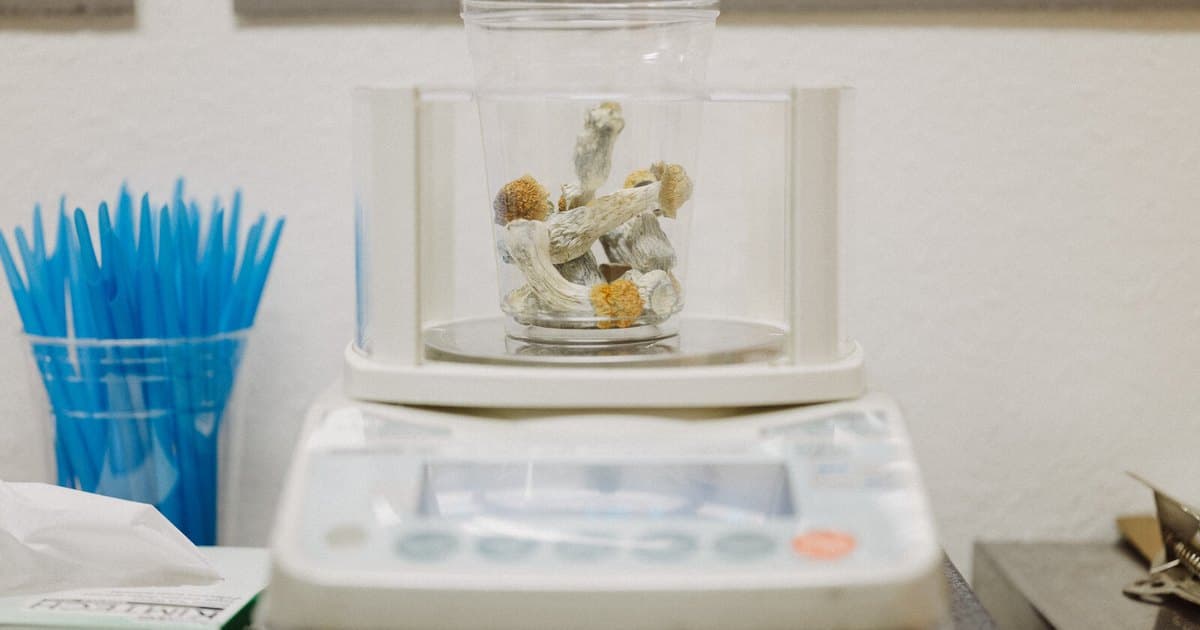
Peripheral neuropathy is a frequent and often irreversible side effect of chemotherapy, causing pain, numbness, cold sensitivity, and loss of sensation that can persist long after treatment ends. In experiments on mice, researchers found that two doses of psilocybin administered before chemotherapy prevented hypersensitivity to cold and preserved touch sensation.
The drug appeared to protect sensory nerve endings by acting on serotonin 5-HT2A receptors in the peripheral nervous system. When this pathway was blocked, the protective effect was reversed. Notably, a non-hallucinogenic compound that activates the same receptors offered similar protection, suggesting the benefit may not require the psychedelic experience.
Further investigation showed psilocybin also shielded mitochondria—the energy-producing structures within nerve cells—from chemotherapy's damaging effects. The study team, led by Dr. Moran Amit of the University of Texas MD Anderson Cancer Center, noted an urgent need for preventive strategies that do not compromise the efficacy of cancer treatment. Their findings have laid the groundwork for an upcoming mid-stage clinical trial to test psilocybin in patients undergoing chemotherapy for various cancers.
C. Diff's Silent Impact on Infant Gut Development
While Clostridioides difficile (C. diff) causes severe gastrointestinal illness in adults, infants colonized with the bacteria typically show no symptoms. This has led to the assumption that the presence of the pathogen in up to 90% of infants in industrialized countries is harmless.
New research from Children's Hospital of Philadelphia challenges that notion. In studies involving mice, human infant intestinal biopsy samples, and lab-grown mini-intestines, scientists observed that C. diff, even without causing symptoms, can remodel the gut's epithelial lining and alter the development of the local immune system.
These structural and immunological changes were also seen in the intestines of human infants naturally colonized with the bacteria. The researchers suggest that because the infant gut is still developing, C. diff could alter its growth trajectory with consequences that may extend into adulthood. The long-term implications require further study, and the team hopes to eventually develop a maternal vaccine against C. diff, similar to existing vaccines that protect newborns from RSV and pertussis.