Punjab Congress Leadership Tussle: Baghel's Role and the Channi Question
A look at the internal power struggle in Punjab Congress, the failed attempt to replace Raja Warring, and the factors that kept Charanjit Singh Channi from the top post.
The simmering internal conflict within the Punjab Congress has come to the fore, with the party's central leadership struggling to balance caste equations, electoral viability, and factional loyalties. At the heart of the matter is the decision to retain Raja Warring as the state unit chief, a move that has disappointed a significant section of leaders who had rallied for a change.
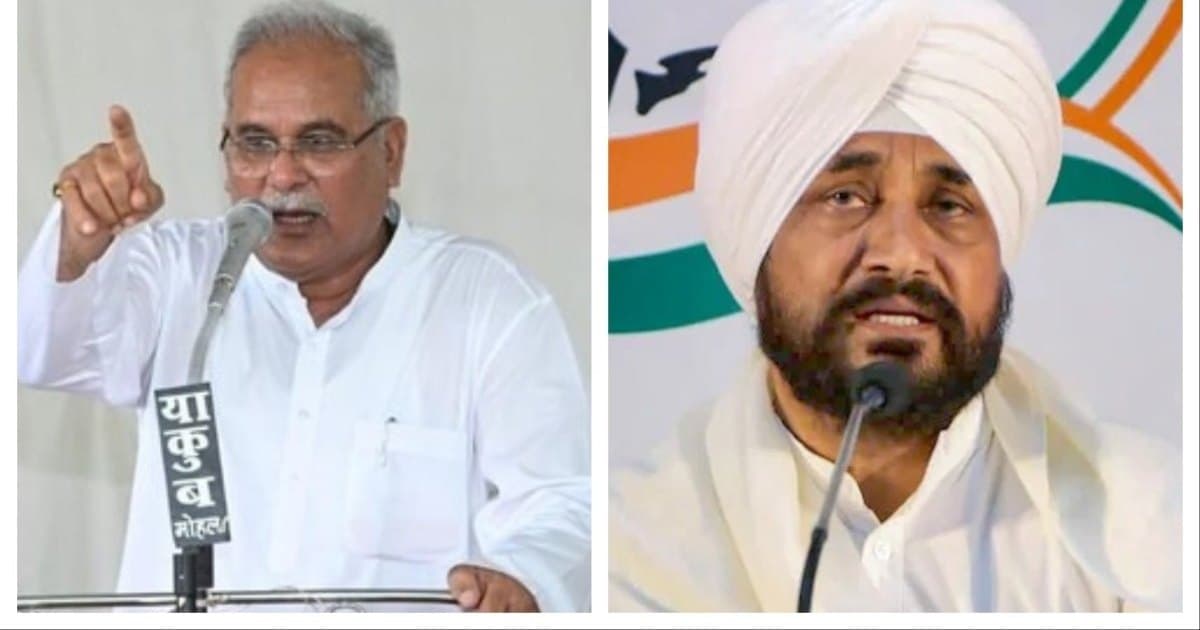
When former Chhattisgarh Chief Minister Bhupesh Baghel was appointed as the party's in-charge for Punjab in early 2025, he was reportedly instructed to maintain the status quo. This meant working alongside Warring, whose three-year term was nearing its end. The arrangement, however, did little to quell the growing demand for a leadership overhaul.
A campaign to replace Warring gained momentum earlier this year when several leaders, including MP Charanjit Singh Channi, wrote to the high command. The faction argued that Channi, a prominent Dalit face, should be given the reins. To assess the situation, the central leadership formed a committee led by Ajay Maken. Sources indicate that Maken's report, based on extensive feedback, also recommended handing the presidency to Channi.
Despite this, the party announced on July 1 that Warring would continue, with Channi being appointed to head the campaign committee. The decision did not sit well with Channi or other dissenting voices, including MP Sukhjinder Singh Randhawa, CLP leader Partap Singh Bajwa, and several MLAs, who privately expressed their unwillingness to accept Warring's leadership.
Baghel's subsequent attempts to mediate in Chandigarh failed to bridge the divide. His public remark that a leadership change was "not child's play" further fueled perceptions that he was shielding Warring. This perception led to protests and "Baghel Go Back" posters during his later visits to the state.
Insiders, however, suggest that Baghel's stance was not one of personal favoritism but a strategic argument against replacing the president so close to elections. The organisational structure, including district-level presidents, was largely built by Warring, who also enjoys the trust of the Gandhi family from his Youth Congress days. His electoral resilience, having survived the Aam Aadmi Party wave and later winning the Ludhiana Lok Sabha seat, strengthened his position in Delhi.
The path to a change was also fraught with a lack of consensus among the anti-Warring faction. Sources reveal that the leadership had initially finalised Vijay Inder Singla, a Hindu face, for the top post in June. However, Channi's last-minute push for the role exposed the faction's disunity, forcing the high command to stick with the incumbent.
Channi's failure to secure the presidency is attributed to several factors. While his Dalit identity is an electoral asset, the high command reportedly remembers the 2022 assembly elections when Jat Sikh voters mobilised against him after he replaced Captain Amarinder Singh as Chief Minister. His defeat from both seats he contested and a year-long political hiatus raised questions. His refusal of an offer to handle Himachal Pradesh affairs and the lack of progress in ED cases against him further complicated his standing. Ultimately, while he was considered too risky for the top job, his Dalit appeal was deemed valuable enough for the campaign committee role.