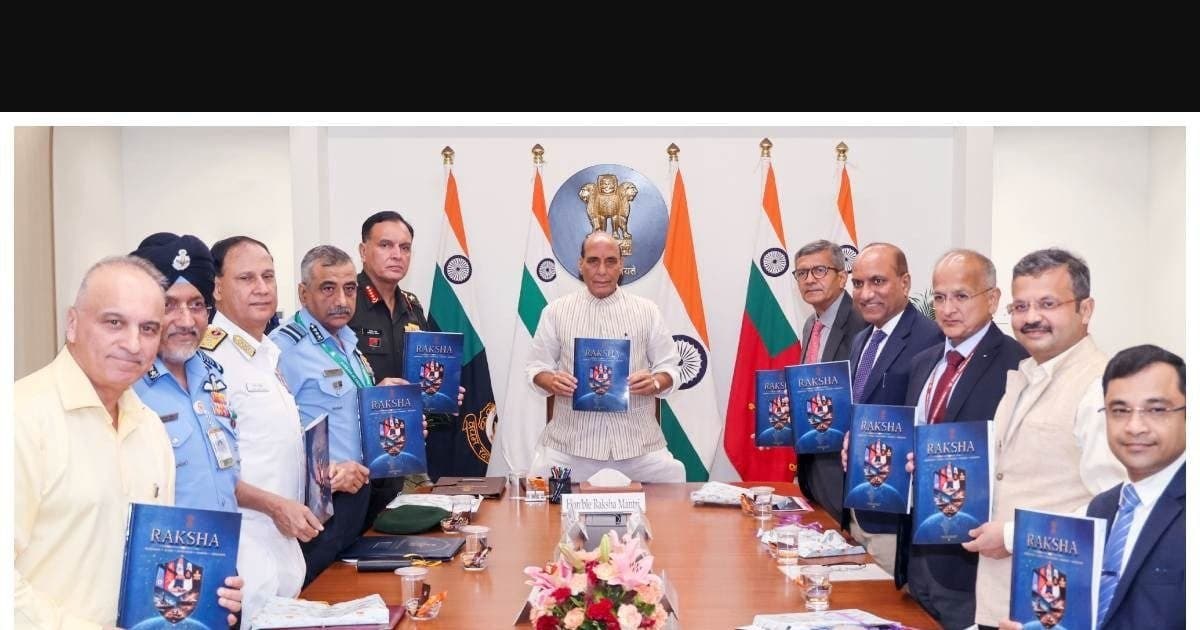
India unveils RAKSHA, a 10-year framework to reshape defence diplomacy
India's RAKSHA framework outlines a decade-long strategy to deepen defence partnerships, boost manufacturing and expand exports.
India has introduced a new strategic framework, named RAKSHA, to guide its defence diplomacy over the next ten years. The blueprint was released by Defence Minister Rajnath Singh in New Delhi on September 3, 2026, and aims to integrate military engagement with the country's broader foreign policy and economic ambitions.
The framework moves beyond traditional defence ties such as ceremonial visits and joint exercises. It seeks outcome-oriented partnerships that support regional stability, enhance military capabilities, and open global markets for Indian defence products. A senior defence official said the approach reflects a shift toward long-term collaboration rather than transactional exchanges.
One key pillar is deepening strategic partnerships across the Indo-Pacific, Europe, West Asia, and Africa. The document identifies areas where Indian interests converge with partner nations. Recent agreements, including the supply of BrahMos missiles and Astra air-to-air missiles to Indonesia, are cited as examples of this expanding engagement.
Capacity building remains a core focus. India plans to expand training programmes for foreign military personnel, joint exercises, and professional exchanges to improve interoperability and build lasting ties between armed forces.
Defence industrial cooperation is another major component. Under the Atmanirbhar Bharat initiative, India is pushing for co-development, co-production, and technology transfer. This aligns with the country's growing export footprint, which reached a record ₹38,424 crore in FY 2025-26. Indian firms now supply artillery, missiles, patrol vessels, radars, and electronic systems to friendly nations.
The framework also prioritises maritime security and disaster response. India has expanded naval cooperation in the Indian Ocean and positioned itself as a first responder in regional emergencies. RAKSHA is expected to reinforce this role and strengthen India's standing as a security provider in the Indo-Pacific.
By linking partnerships, military cooperation, manufacturing, and exports, RAKSHA aims to bring coherence to India's global defence engagement. If implemented effectively, it could bolster India's position as both a regional security anchor and an emerging defence exporter.