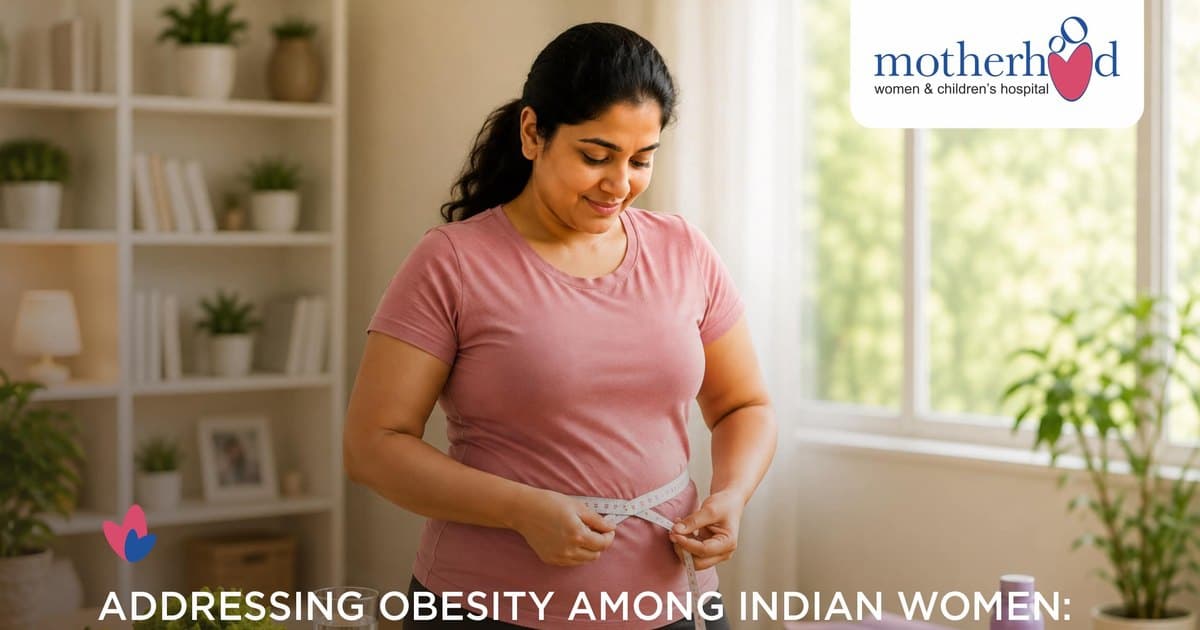
Obesity rises among Indian women; doctors push pre-pregnancy health checks
Nearly one in three Indian women is now overweight or obese, per NFHS-6. Doctors are reviving pre-conception counselling to improve pregnancy outcomes.
New government data shows a sharp rise in obesity among Indian women of reproductive age. The sixth National Family Health Survey (NFHS-6), conducted in 2023-24, found that 30.7% of women aged 15-49 are now overweight or obese — up from 24% in the previous round (NFHS-5, 2019-21). Among men in the same age bracket, the figure rose from 22.9% to 27.3%.
The trend has put the spotlight on how lifestyle-related disorders affect fertility and pregnancy. Health practitioners are increasingly turning their attention to the period before conception, arguing that identifying and managing health risks in both prospective parents can improve reproductive and pregnancy outcomes.
This idea has deep roots in traditional medicine. Ayurveda describes garbhadana samskara, a pre-conception regimen meant to prepare couples physically and mentally before conception. The approach is now being offered as a structured programme at the SDM College of Ayurveda and Hospital in Udupi, Karnataka, which provides pre-conception counselling and care to couples from across south India.
Mamatha K.V., principal and senior obstetrician at the institution, describes the approach as "conscious preparation for conception." It involves assessing the health of both partners, along with guidance on diet, lifestyle, and other factors that influence reproductive health. Pre-conception consultations, she says, offer a chance to identify risks, review medications, address nutritional gaps, and encourage healthier habits before pregnancy.
Ayurveda frames conception through four factors: ritu (the fertile period), kshetra (a healthy reproductive tract), beeja (healthy sperm and ovum), and ambu (adequate nourishment). Shreyashri Suvarna, a physician at the hospital, says interventions are tailored around these factors, combining dietary and lifestyle changes with traditional therapies where appropriate. She stresses that such interventions must be individualised and clinically supervised.