Rural India's waste crisis: What two districts show about the way forward
UN data shows 2 billion rural people lack waste collection. Two Indian districts demonstrate local solutions for rural waste management.
A global analysis by the UN Environment Programme has brought into sharp focus a problem that often remains invisible in policy discussions: the sheer scale of unmanaged waste in rural areas. Worldwide, an estimated 2.7 billion people do not have their waste collected, and of these, roughly 2 billion live outside urban centres.
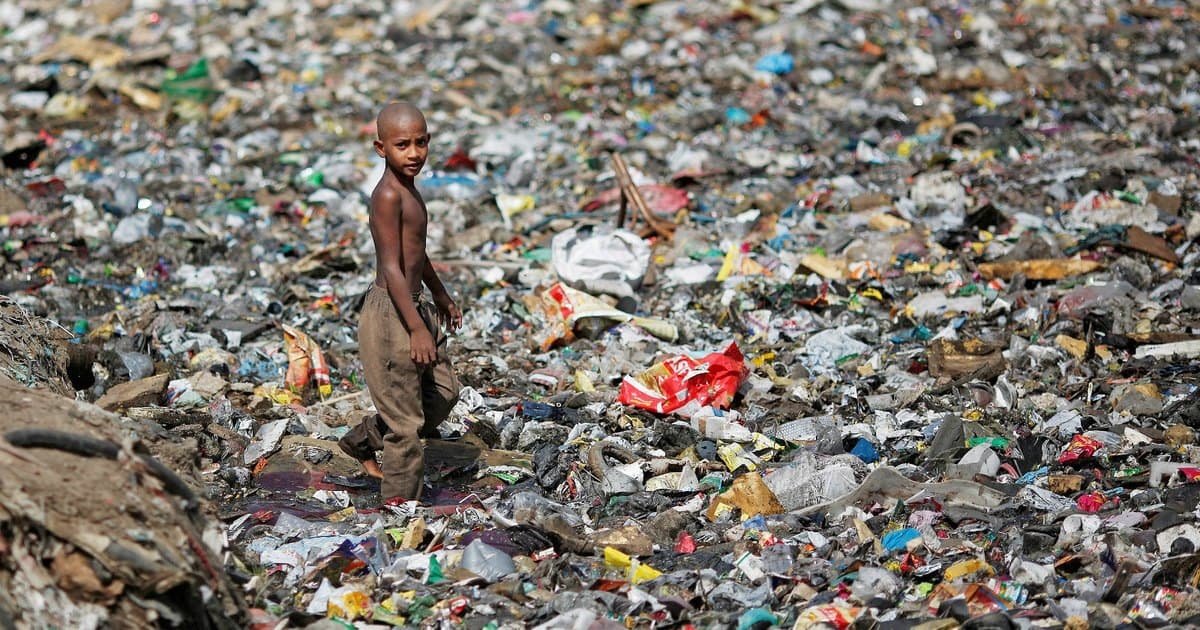
Where collection systems are absent, the consequences are stark. People resort to dumping waste on open land, into rivers and streams, or along coastlines. In many cases, the waste is simply burned, releasing harmful smoke and contributing to air pollution.
India, with its vast rural hinterland, is a significant part of this picture. The challenge is not just about infrastructure but about finding models that work at the village level, where resources and technical capacity are often limited.
It is here that the experience of two Indian districts becomes instructive. Their approaches, while distinct, share a common thread: they treat waste not as an urban problem to be exported, but as a local resource to be managed. By focusing on segregation at the household level, decentralised processing, and community participation, these districts have shown that rural waste can be handled effectively without waiting for large, centralised solutions.
Their success offers a practical counterpoint to the grim global statistics. It suggests that with the right mix of local leadership, simple technology, and behavioural change, Indian villages can avoid the twin evils of dumping and burning. The lessons from these districts are not just about cleanliness; they are about protecting water sources, soil health, and public health in the countryside.