War Comes Home: Russians Endure Fuel Shortages and Drone Strikes
Russians faced fuel shortages, flight disruptions, and drone strikes this summer as the Ukraine war's impact became increasingly visible at home.
For many Russians, the summer of 2026 was marked by unprecedented domestic disruption, as the war in Ukraine increasingly reached their own cities and towns. Daily life was punctuated by long queues at petrol stations, grounded flights, and the constant hum of drones targeting key infrastructure.
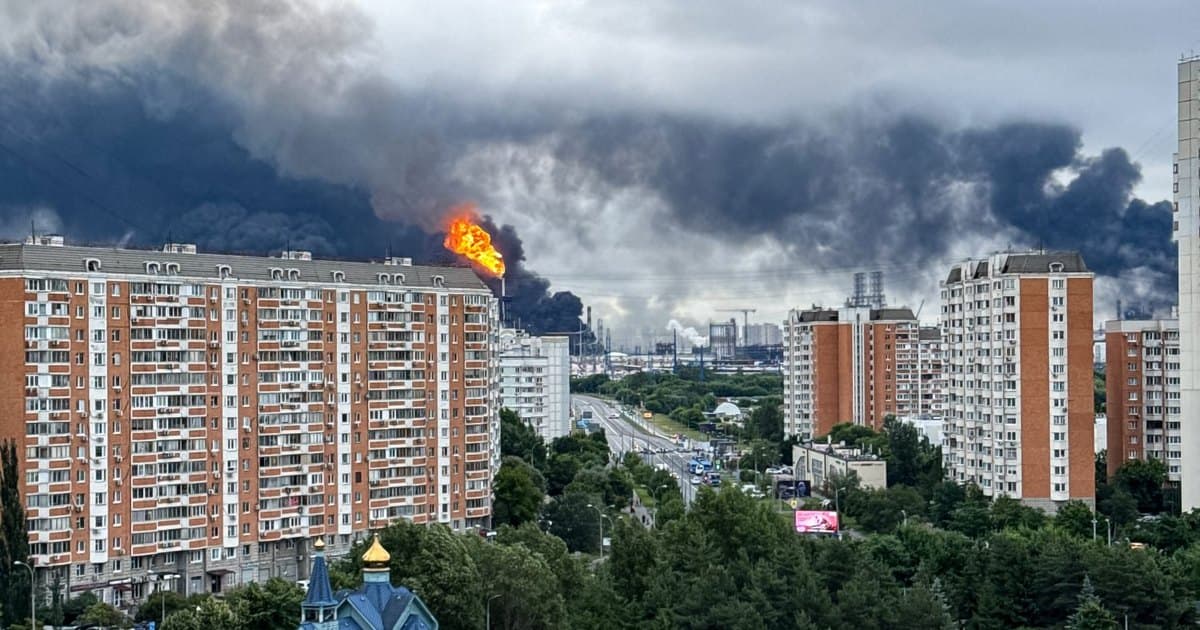
The most visible sign of the conflict's reach was a wave of Ukrainian drone attacks on Russian oil refineries and logistics hubs. These strikes, which intensified from June onwards, led to a significant fuel crisis, with motorists in some regions, like Chita in Siberia, reporting waits of up to three days for gasoline. "We were living a normal life, and then suddenly it's like this," said Margarita Terekhova, a Moscow motorist, describing the new reality of fuel shortages.
The attacks also disrupted e-commerce, with major warehouses belonging to retail giants Wildberries and Ozon catching fire. The Russian Defence Ministry reported intercepting over 43,300 Ukrainian drones between June and August, a dramatic increase from the roughly 7,700 intercepted during the same period last year, though some strikes clearly got through.
This new level of exposure has begun to affect public sentiment. While President Vladimir Putin's approval rating remains high, it has slipped to 76% in August from 87% a year earlier, according to the Levada Center. Analysts note that the visible impact of the war is fostering anxiety and more open discussion. "These are very visible... there's definitely no doubt that it is causing concern," said Chris Weafer, CEO of Marco Advisory Ltd.
This unease comes at a politically sensitive time for the Kremlin, with parliamentary elections scheduled for September 18-20. The authorities have moved to control the narrative, with the Supreme Court removing the liberal opposition party Yabloko from the ballot in August. Analysts suggest the Kremlin is keen to avoid any scandals that could mar an election meant to demonstrate public loyalty.
Despite the turmoil, the summer has not translated into widespread public protest. Many Russians, like Moscow resident Galina Karavayeva, are trying to maintain a sense of normalcy, even as they acknowledge the new reality. "Everything was wonderful (at the Russian seaside). The weather was perfect. Nothing scared us. There were just sirens," she said, capturing the strange duality of a summer lived under the shadow of war.