25 Years After 9/11: One Attack, Many Americas, Divergent Griefs
A quarter-century on, the meaning of 9/11 varies widely across generations and communities, shaped by personal loss, policy choices, and evolving national memory.
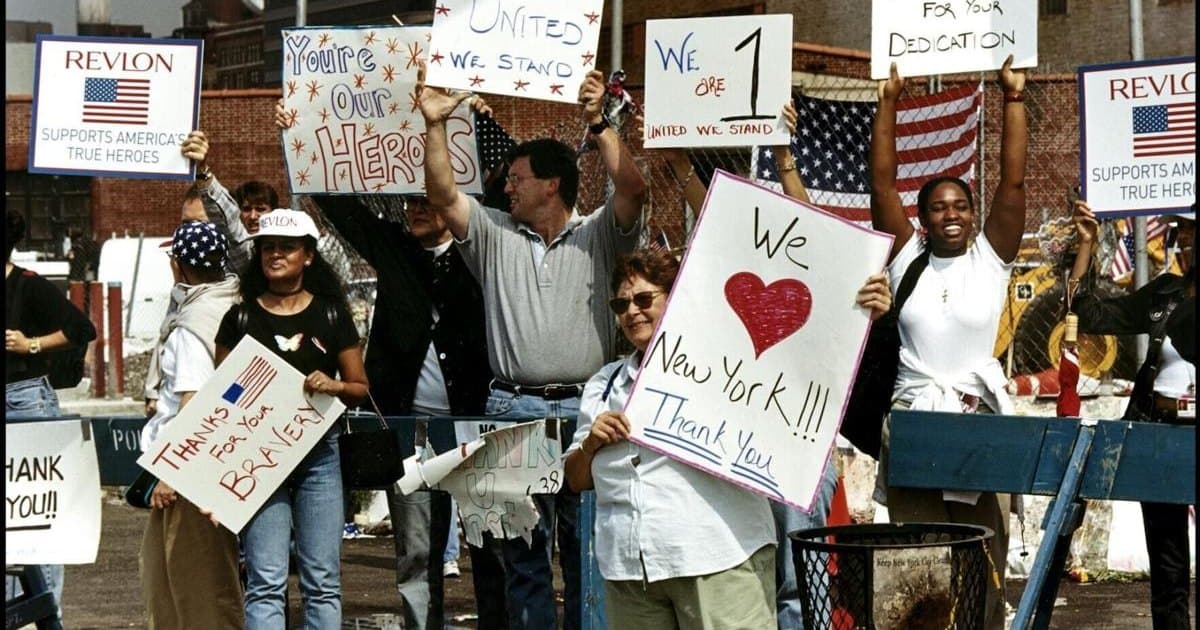
Twenty-five years after the September 11 attacks, the shockwaves that emanated from New York, Pennsylvania, and Virginia have not fully subsided. The immediate grief was national, but the long-term meaning of that day has fractured into a complex mosaic of experiences and interpretations.
For tens of millions of Americans born after 2001, the event is a matter of history, not memory. They learn about it in classrooms alongside other turning points like Pearl Harbor. Yet, for others, the day remains a defining personal rupture, a line separating a before and after.
The divergence in perspective is not merely generational. Policy decisions made in the wake of the attacks—from the creation of the Department of Homeland Security to the invasion of Afghanistan—have shaped how different communities view the event's legacy. The securitization of society, symbolized by the Transportation Security Administration, has become a normalized part of American life.
This post-9/11 security apparatus also cast a long shadow of suspicion on specific communities. The federal government's National Security Entry-Exit Registration System, implemented in 2002, required men from mostly Muslim-majority countries to register with authorities, a policy critics condemned as profiling. This environment contributed to a climate of fear, exemplified by the murder of Balbir Singh Sodhi, a Sikh gas station owner in Arizona, who was killed by a man who mistook him for an Arab.
For many from Middle Eastern or South Asian backgrounds, the attacks changed daily life. Vida Lashgari, a 21-year-old raised in California, says her father and others in his community became hyper-aware of their appearance and speech after 9/11, a fear she says has carried through the community since.
For Lashgari's generation, the COVID-19 pandemic provided a visceral point of reference. It was the first time many experienced a world-altering event they could not control, offering a glimpse into the stark before-and-after divide their elders describe.
Experts note that a person's experience of a disaster is filtered through their social networks. Jenna McPartland, whose husband was killed at the World Trade Center days before their son was born, has worked to ensure her younger children understand the event is part of their family story, even though they have no biological tie to the man who died.
The passage of time also naturally dims the intensity of public memory. As other geopolitical events and crises have emerged, the singular grip of 9/11 on the national psyche has loosened, even as memorials and museums work to preserve its history. The result is a nation that shares a date in its past but not a single, unified story about what it means.