Sharpeville Massacre Survivors File Class-Action Suit Seeking Damages
Sharpeville massacre survivors and families have launched a class-action lawsuit against South Africa, seeking compensation and challenging the 1961 Indemnity Act.
More than six decades after apartheid police opened fire on unarmed protesters in Sharpeville, survivors and relatives of those killed have announced a class-action lawsuit against the South African government. The legal action, revealed at a media briefing in the township south of Johannesburg, seeks compensation and asks a court to strike down the 1961 Indemnity Act, which lawyers argue has blocked victims from pursuing claims and remains in force.
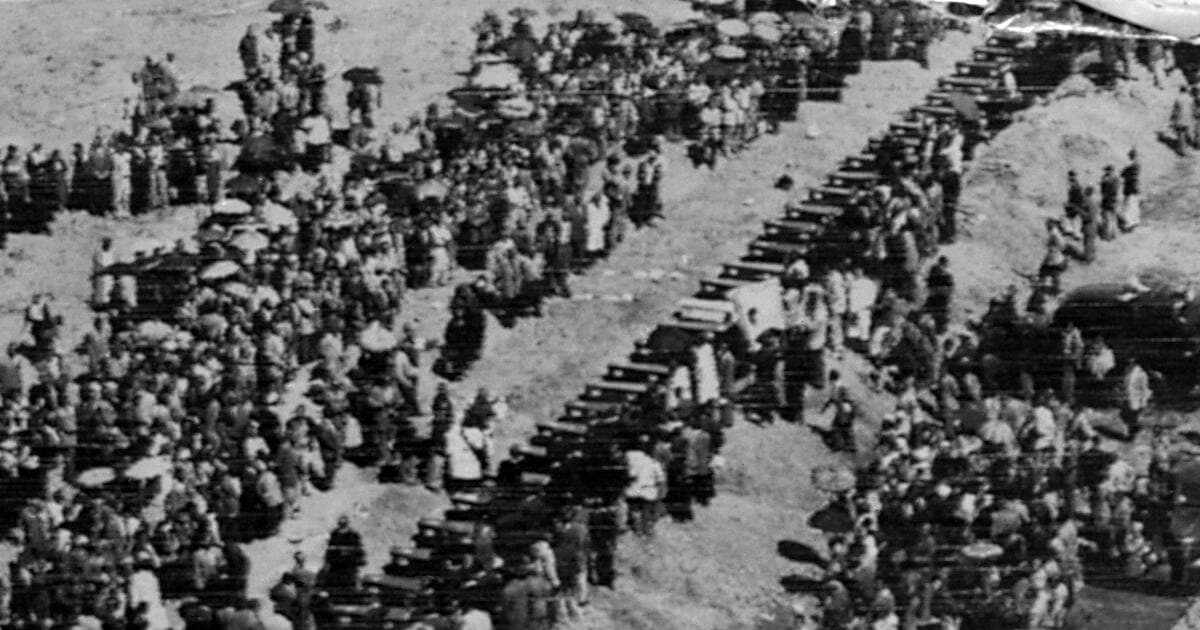
The massacre took place on March 21, 1960, when police fired on a crowd protesting apartheid pass laws. While apartheid-era records put the death toll at 69, with 180 injured, research cited by the plaintiffs suggests at least 91 people were killed and more than 238 wounded. The event became a defining moment in the anti-apartheid struggle, and March 21 is now observed in South Africa as Human Rights Day.
Ahead of the announcement, family members of victims took part in a silent walk, retracing the route taken by protesters on that day. Among the representative plaintiffs is 87-year-old Abram Mofokeng, who was 20 when he was shot in the foot and back while fleeing the gunfire. A bullet remains lodged in his back. "It is not possible to forget what happened in 1960," he said. "I cannot go a day without thinking about how we have been affected."
Mofokeng is joined by Paulina Mathinye and Ishmael Poho, both of whom lost their fathers in the massacre as young children. More than 70 survivors and relatives have expressed support for or interest in joining the litigation, which is being brought by Lawyers for Human Rights with advice from the British firm Leigh Day.
The case follows earlier attempts to secure compensation. Around 258 claims were filed in the aftermath of the massacre, but the Indemnity Act of 1961 shielded officials from liability and extinguished those claims. Only about a third resulted in discretionary payments, totalling less than 4% of what had been sought. The applicants now argue that the legislation violates their constitutional right of access to the courts.
Lawyers did not give a total figure for the claim, saying it would vary for each claimant and be determined with expert assistance. The case also seeks to address gaps left by the Truth and Reconciliation Commission, which formally awarded reparations to only 51 Sharpeville survivors.
Dan Leader of Leigh Day described the case as part of South Africa's "unfinished business," adding: "This is a time of reckoning for modern South Africa." Charne Tracey of Lawyers for Human Rights said the plaintiffs hoped the case would push the government into talks over reparations. "They are under no illusions that they must carry a legal stick if their voices are going to be listened to," she said.
Poho stressed that the case was about more than compensation, noting that the effects of the massacre had been felt across the wider community. "This is not a case for an individual as such," he said. "It is a case for every other person who suffers an injustice."
The government had not responded to queries at the time of publication. The litigation comes amid a broader push in South Africa to revisit apartheid-era abuses, including reopened inquests into the deaths of figures such as Steve Biko, the Cradock Four and Chief Albert Luthuli.