Sikkim Identifies 40 High-Risk Glacial Lakes, Flags Shako Chho as Most Vulnerable
Sikkim has identified 40 high-risk glacial lakes, with 16 in the highest danger category. Shako Chho is flagged as most vulnerable, prompting mitigation plans.
In the wake of the devastating flash flood in Nepal last month, Sikkim has identified 40 glacial lakes within its territory that pose a significant flood risk. Of these, 16 have been placed in Category A, the highest risk classification, according to state officials. The assessment has intensified focus on the threat of Glacial Lake Outburst Floods (GLOFs) across the Himalayan region.
Sikkim's Principal Secretary Sandeep Tambe stated that satellite imagery and remote sensing are being employed to monitor changes in these high-altitude water bodies. The state's risk categorisation places two lakes in Category B (high risk) and nine in Category C (moderate to low risk), with the remaining 13 yet to be classified.
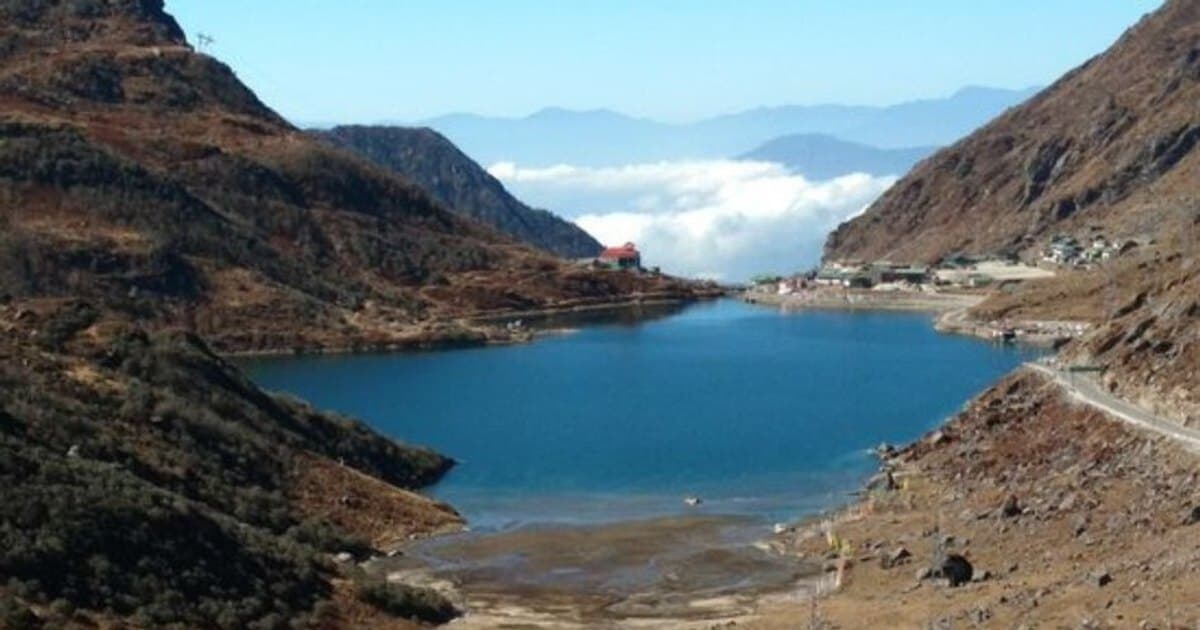
Among the identified sites, Shako Chho Lake has been singled out as the most vulnerable. A detailed project report for mitigation measures there has been submitted to the National Disaster Management Authority, while a preliminary report has been forwarded to the Jal Shakti Ministry. For the Lhonak Complex, authorities are preparing a plan for a flood-retention structure at Dolma Sampa, and at the Gurudongmar Complex, a moraine plug wall has been proposed, with designs accounting for the area's cultural and religious significance.
The urgency of the matter is underscored by Sikkim's own recent history. A GLOF in October 2023 resulted in at least 60 fatalities, damaged infrastructure across multiple districts, and destroyed the Chungthang dam.
Officials note that there is no universal solution for these lakes. Potential measures under examination include draining or pumping water out, constructing drainage channels, building safety walls, and creating tunnels to lower water levels. The state's Department of Science and Technology has been designated as the nodal agency for GLOF hazard assessment.
Sikkim is also developing what could be India's first dedicated GLOF Risk Mitigation Protocol, aiming to create a standardised framework for assessing and responding to such threats. This protocol could potentially serve as a model for other Himalayan states.
In parallel, efforts are underway to strengthen early-warning systems. Additional sensors have been proposed following discussions with Union Home Secretary Govind Mohan, who reviewed the preparedness of Himalayan states and Union Territories for GLOFs and snow avalanches. The meeting included senior officials from Sikkim, Uttarakhand, Himachal Pradesh, Arunachal Pradesh, and Jammu and Kashmir, along with representatives from central agencies like the NDMA, Central Water Commission, and IMD.