Singapore PM's Pay to Rise 60%, Keeping City-State's Leaders World's Best-Paid
Singapore raises political salaries by over 60%, keeping its leaders the world's highest-paid. PM Wong will donate his raise.
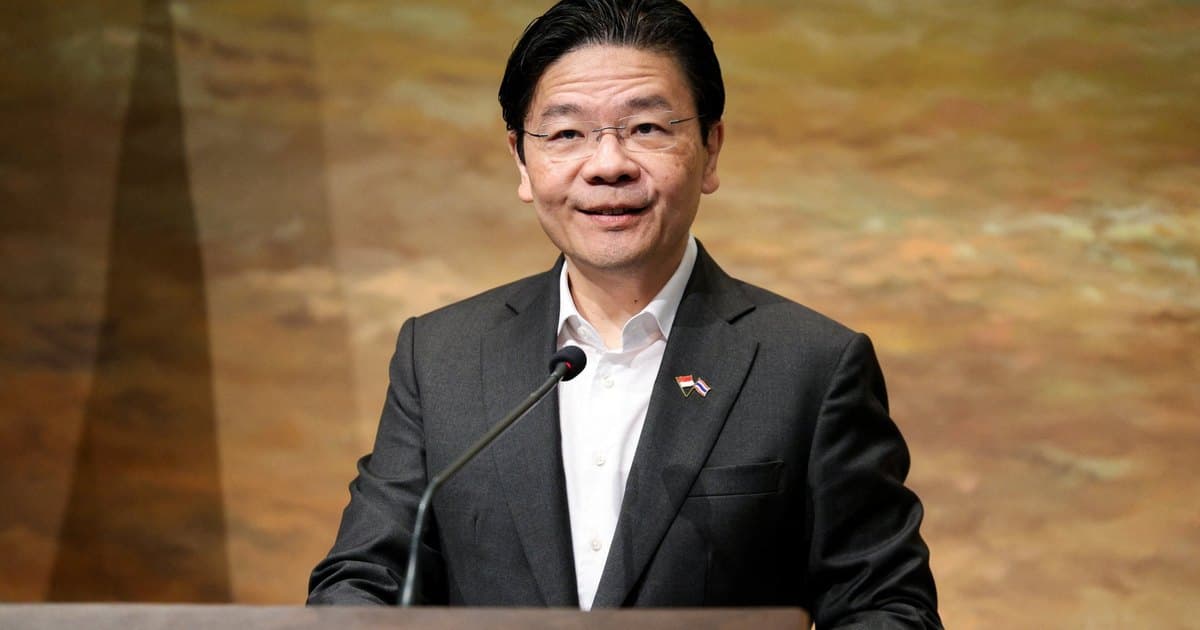
Singapore is raising the salaries of its political leaders by more than 60 percent, further cementing its status as the country with the world's highest-paid ministers. Prime Minister Lawrence Wong announced the revision in parliament on Tuesday, marking the first adjustment to ministerial pay in 15 years.
The city-state has long defended its high political salaries as a necessary tool to attract competent individuals and ensure clean, effective governance. Singapore consistently ranks among the least corrupt nations globally. However, the issue remains politically delicate, as cabinet members' earnings vastly exceed those of the average citizen.
Acknowledging the sensitivity, Wong said, "Political salaries are a difficult and emotive issue. The sums involved are more than what most citizens earn, so I understand why Singaporeans scrutinise them closely, and why many feel strongly about the matter." He framed the decision as essential for securing quality leadership for the country's future.
Under the new framework, the Prime Minister's benchmark annual salary will increase from S$2.2 million to S$3.6 million. Wong announced he will donate the entire amount of his raise to charitable causes during his term. The Deputy Prime Minister's benchmark pay will rise from S$1.87 million to S$3.06 million, while cabinet ministers will earn between S$1.80 million and S$2.88 million, depending on their portfolios.
The changes, recommended by an independent committee, will be phased in. Current office holders will receive a one-off adjustment of up to 9 percent starting October 15, with future increments tied to individual performance and responsibilities.
Lawrence Wong, an economist educated at the University of Wisconsin–Madison, the University of Michigan, and Harvard, became Singapore's fourth Prime Minister after a long career in civil service. He previously held key ministerial portfolios and co-chaired the nation's COVID-19 task force before becoming Deputy Prime Minister in 2022.