Spain Calls for EU Climate Adaptation Fund and Binding Risk Targets
Spain urges EU to create a climate adaptation fund, set binding targets, and conduct five-yearly risk assessments.
Spain has formally asked the European Union to establish a dedicated climate adaptation fund and adopt binding adaptation targets, arguing that reactive policies are no longer sufficient to protect the bloc's security and economy.
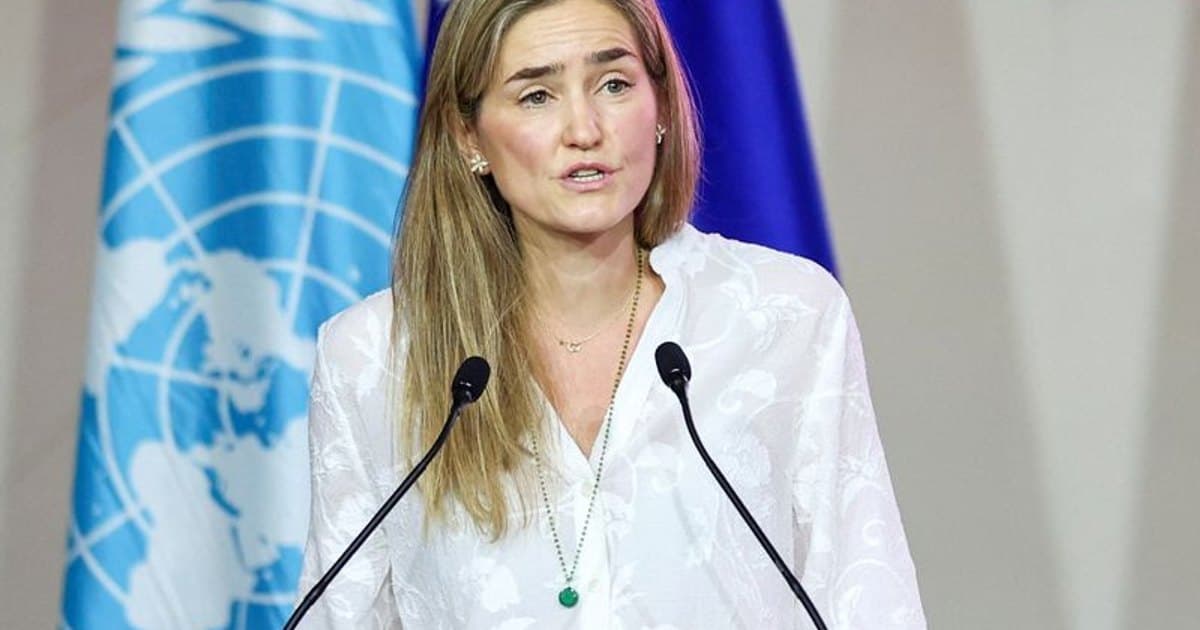
The request, outlined in a letter from Environment Minister Sara Aagesen to EU Climate Commissioner Wopke Hoekstra, comes as the EU tallies mounting losses from extreme weather. Madrid calculates that member states have accumulated €822 billion in climate-related damages since 1980, with roughly a quarter of that total occurring between 2021 and 2024.
Spain, which has faced severe summer heatwaves, wildfires, and droughts, proposes funding the new mechanism through levies such as a charge on oil and gas profits, alongside common EU debt instruments and climate-risk bonds. The letter also suggests upgrading the bloc's rescEU civil protection mechanism into a permanent climate-emergency response system, complete with shared equipment and a dedicated aerial firefighting fleet.
A key element of the proposal is a call for climate risk assessments every five years at European, national, and regional levels, with results integrated into public planning, infrastructure, land use, and investment decisions. Spain further recommends binding short-, medium-, and long-term adaptation targets for sectors including water, health, infrastructure, forests, tourism, agriculture, and fisheries.
The proposal also floats a public-private European reinsurance scheme to help cover losses from extreme weather events.
The European Commission, which is updating its 2021 Adaptation Strategy into an Integrated Climate Resilience Framework, noted that adaptation funding falls under broader EU budget negotiations and that windfall taxes on energy remain a national competence. Spain has shared its proposal with other member states, and last month joined Germany, Portugal, Italy, Poland, and Austria in asking the EU presidency to discuss a mechanism for taxing oil companies' windfall profits.