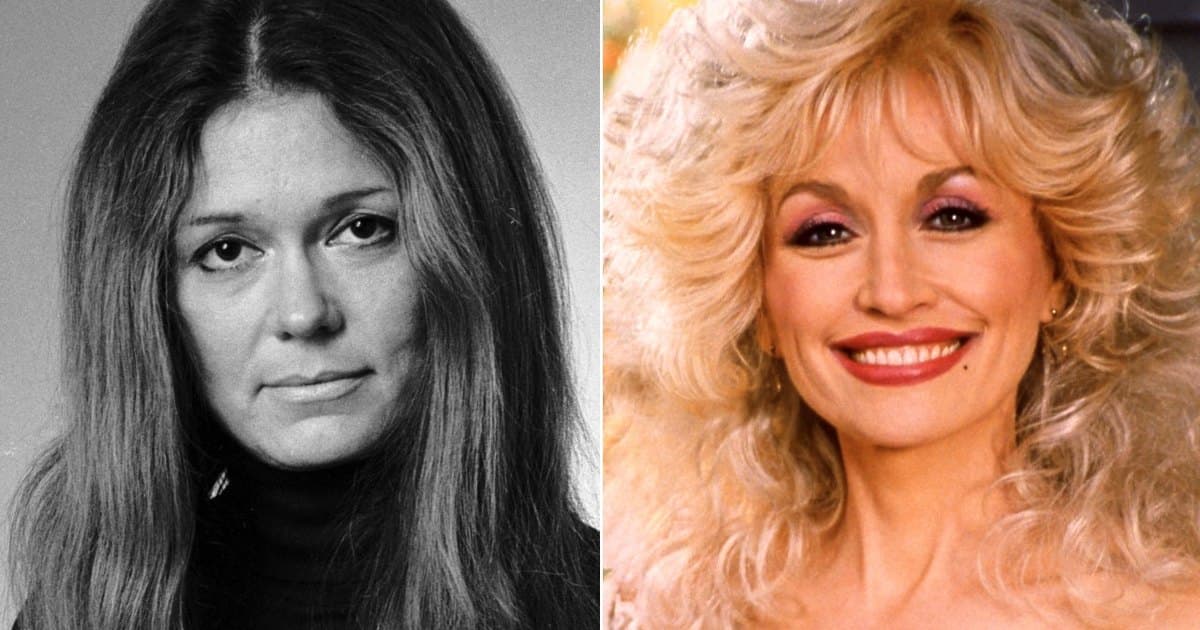
Steinem and Parton: Two Legacies, One Unfinished Fight for Women's Choices
The deaths of Gloria Steinem and Dolly Parton, eight days apart, prompt reflection on the many forms feminism can take.
The worlds of activism and entertainment lost two towering figures within a single week this summer, prompting a global reckoning with the meaning of feminism itself. Gloria Steinem, the journalist and activist who gave the movement its political language, died on September 2. Eight days earlier, Dolly Parton, the singer-songwriter who rejected the label while embodying its spirit through music and business, passed away.
Though they traveled different paths, both women championed a core idea: that a woman's identity is hers to define. Steinem did so through undercover investigations, the founding of Ms. Magazine, and a lifetime of advocacy. Parton did so through rhinestone-studded performances and lyrics that tackled difficult subjects like teenage pregnancy and workplace inequality.
Their pairing was not accidental. In 1987, Ms. Magazine named Parton a "Woman of the Year," with Steinem writing that if feminism means finding one's unique power and helping other women do the same, Parton had done both. The magazine recently re-ran that essay, noting Parton's shrewd business acumen and her use of femininity as a source of humor and power.
Parton, however, was explicit in her refusal to adopt the label. "I don't do politics," she said in 2019, explaining she had fans on both sides of the aisle. She clarified that she did not want to be associated with what she saw as political extremes, even while advocating for women's opportunities. Her work, from the film and song "9 to 5" to anthems like "Just Because I'm a Woman," spoke to the realities of a man's world.
The public mourning for the two women reflected the deep political divides of the current era. Parton's death drew tributes from across the spectrum, including a flag order from former President Trump. Steinem's passing was marked primarily by figures on the left, with Hillary Clinton noting that Steinem's activism was built on optimism.
Steinem herself often said her goal was to light the way for others. "If we each have a torch, there's a lot more light," she told the National Press Club in 2013. The question of who will carry those torches forward remains open, as the battles she fought—over abortion rights and the Equal Rights Amendment—remain unresolved.