Sukumara Kurup: Can a Long-Absconding Fugitive Be Presumed Dead?
A reported sighting of fugitive Sukumara Kurup raises legal questions on presumption of death and trial in absentia.
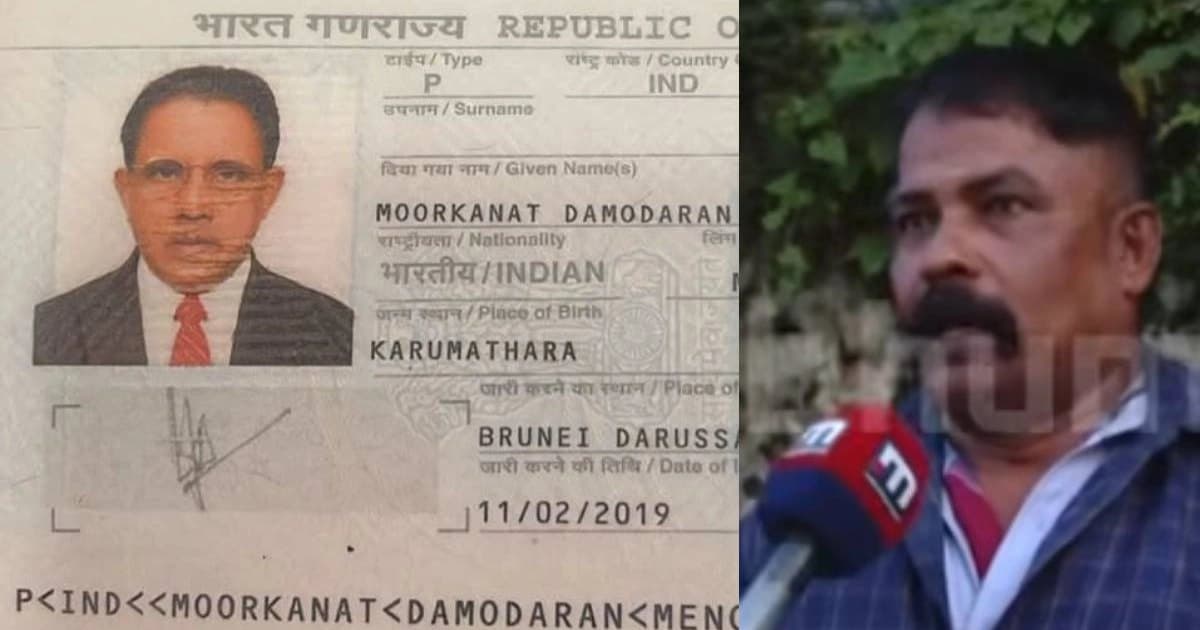
A Malayalam news channel's claim that it has a recent photograph of Sukumara Kurup in Brunei has brought the 1984 murder case back into focus. Kurup has been absconding for over four decades in connection with the killing of N.J. Chacko in Mavelikara, allegedly to fake his own death and claim an insurance payout.
Keralam Home Minister Ramesh Chennithala has dismissed the reports as rumours and directed the Crime Branch to verify them. The Crime Branch ADGP H. Venkatesh has stated that the information will be forwarded to Interpol for verification. An Interpol Red Corner Notice against Kurup remains active, and the case will not be closed without conclusive proof of his death.
The 1984 Case
In January 1984, Kurup allegedly killed Chacko and placed the body in a burnt car to pass it off as his own. The motive was to claim a large life insurance policy taken out in Abu Dhabi. While all other accused were arrested, Kurup evaded capture, and the charge sheet was filed without him. The trial resulted in the conviction of the first and second accused for murder and conspiracy, while others were acquitted. The Kerala High Court upheld the convictions in appeals.
Legal Presumptions on Life and Death
The Bharatiya Sakshya Adhiniyam, 2023, under Sections 110 and 111, lays down rules for presuming whether a person is alive or dead. Section 110 states that if a person was alive within the last 30 years, the burden of proving their death lies on the person asserting it. Section 111 shifts this burden if the person has not been heard of for seven years by those who would naturally have heard from them.
The Supreme Court in LIC of India v. Anuradha (2004) clarified that this presumption only establishes the fact of death, not the time, place, or circumstances.
Fugitives and the Seven-Year Rule
The seven-year rule is complicated for fugitives. A person evading justice may deliberately avoid all contact, making it difficult to apply the presumption. Courts must consider the circumstances of the disappearance and the efforts made to trace the individual. Absconding for seven years does not automatically lead to a presumption of death.
Trial in Absentia
The law permits trial in absentia under specific conditions. Section 356 of the Bharatiya Nagarik Suraksha Sanhita (BNSS) allows for proceedings against a proclaimed offender who has absconded to evade trial. This requires the issuance of two consecutive warrants at least 30 days apart. A person can be declared a proclaimed offender if they fail to appear after a proclamation is issued for an offence punishable with 10 years or more of imprisonment.
For Kurup, the prolonged disappearance raises two distinct legal questions: whether he can be presumed dead, and whether proceedings can continue if he is alive but beyond the reach of law.