Supreme Court Allows White House Ballroom Project to Proceed
A divided Supreme Court allows the White House ballroom project to continue, rejecting a historic preservation group's challenge for now.
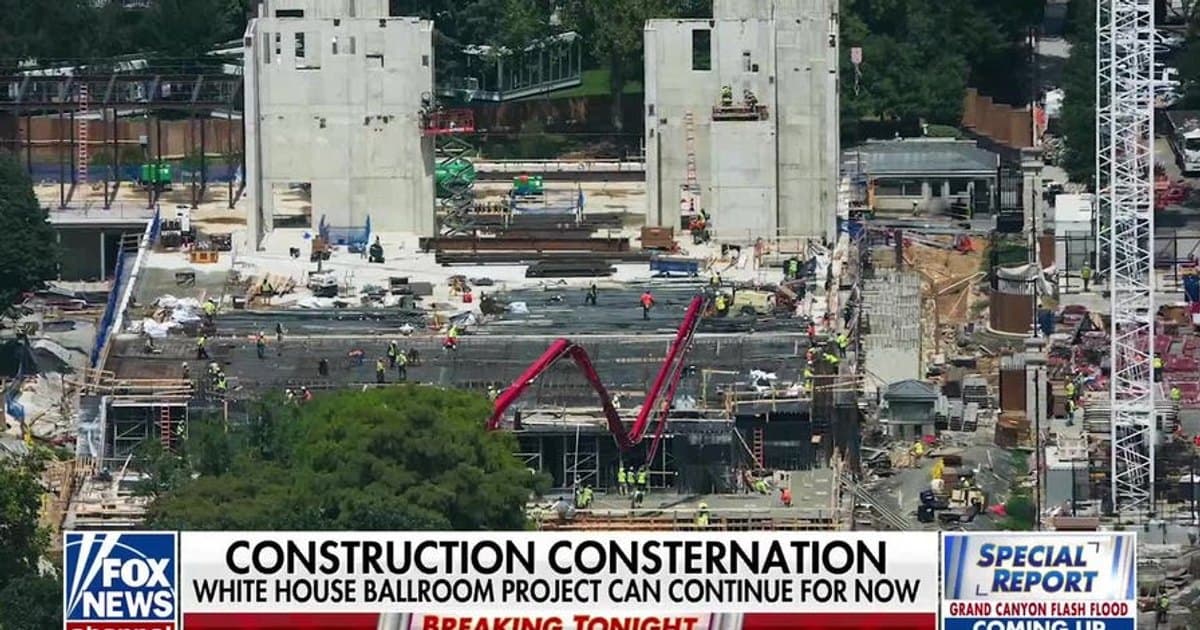
A sharply divided Supreme Court has permitted the White House to move forward with its $400 million ballroom and military complex project, handing the administration a temporary victory amid ongoing litigation. The decision, which appears to have been reached by a 5-4 margin, replaces an earlier temporary order and allows construction to proceed without interruption for now.
Chief Justice John Roberts, who had previously signed a temporary order in the case, filed a strong dissent. He argued that the project is likely unlawful because it has not received congressional approval, stating that the decision is "no victory for the separation of powers." The court's three liberal-leaning justices joined his dissent.
The majority, however, ruled that the National Trust for Historic Preservation likely lacks the legal standing to challenge the project. The unsigned order cited government arguments that the structure would address national security concerns by shielding an underground military installation and providing a more secure venue for large events than the tents currently in use.
The court noted that the only harm claimed by the Trust is the aesthetic offense its members might suffer from viewing the structure's scale and height. The decision does not settle the legality of the project, and the case will now return to lower courts for further proceedings.
President Donald Trump welcomed the ruling on social media, calling the lawsuit "baseless" and expressing confidence that the project will be a source of national pride upon its completion in the summer of 2028.
Court documents indicate that crews are working around the clock, with the framework expected to be finished by November and much of the facade completed by April. The administration has argued that the president holds total authority to renovate the White House and other federal buildings, while opponents point to federal law prohibiting construction on D.C. parks and public grounds without express congressional authority.