Tamil Nadu unveils ₹33,066-crore transmission plan, new Thoothukudi thermal station
Tamil Nadu announces a ₹33,066-crore transmission scheme, a new 1,600-MW thermal plant in Thoothukudi, and Chennai distribution upgrades.
Tamil Nadu Chief Minister C. Joseph Vijay on Monday announced a sweeping set of power-sector initiatives, headlined by a ₹33,066-crore Transmission Improvement Scheme aimed at bolstering grid connectivity to key consumption hubs, including Chennai.
In a suo motu statement to the Assembly, the Chief Minister detailed plans to add 196 new substations and lay approximately 15,000 km of transmission lines under the scheme. Existing transmission corridors will also be reinforced to handle growing demand.
Addressing the state's energy mix, Mr. Vijay acknowledged Tamil Nadu's leadership in renewables — wind, solar, and battery storage — but noted that output from these sources remains intermittent. While storage technology is being developed to shift surplus daytime generation to nighttime use, he said current infrastructure is insufficient to guarantee round-the-clock supply.
"There is a need to depend on thermal power to ensure uninterrupted supply during periods of heavy demand," he said, adding that the infrastructure must be strengthened accordingly. He also contended that no significant investments had been made in thermal or hydel capacity over the past five years.
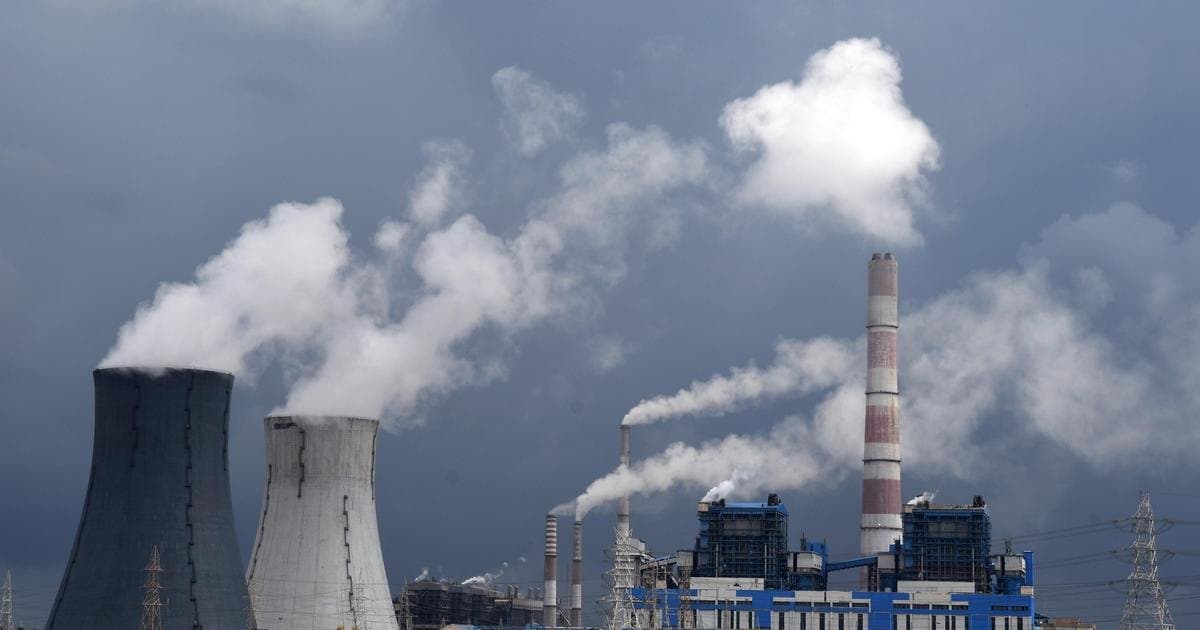
To that end, the government will expand the Thoothukudi Thermal Power Station. The existing facility, which has five 210-MW units (1,050 MW total) commissioned in phases since 1979, will be replaced under a public-private partnership model. Two new 800-MW supercritical units will be installed, raising the station's total capacity to 1,600 MW, in line with updated environmental norms.
Separately, Chennai's power distribution network will see a ₹1,762-crore upgrade. The plan includes 36 new 33/11 kV substations, new transformers, and the replacement of damaged cables, pillar boxes, and circuit breakers — addressing monsoon-related outages and rising summer demand.