Thailand unveils rooftop solar push to cut LNG dependence (2026-09-02)
Thailand plans to add 5 GW of rooftop solar for 1 million households via a $6 billion fund to reduce LNG price exposure.
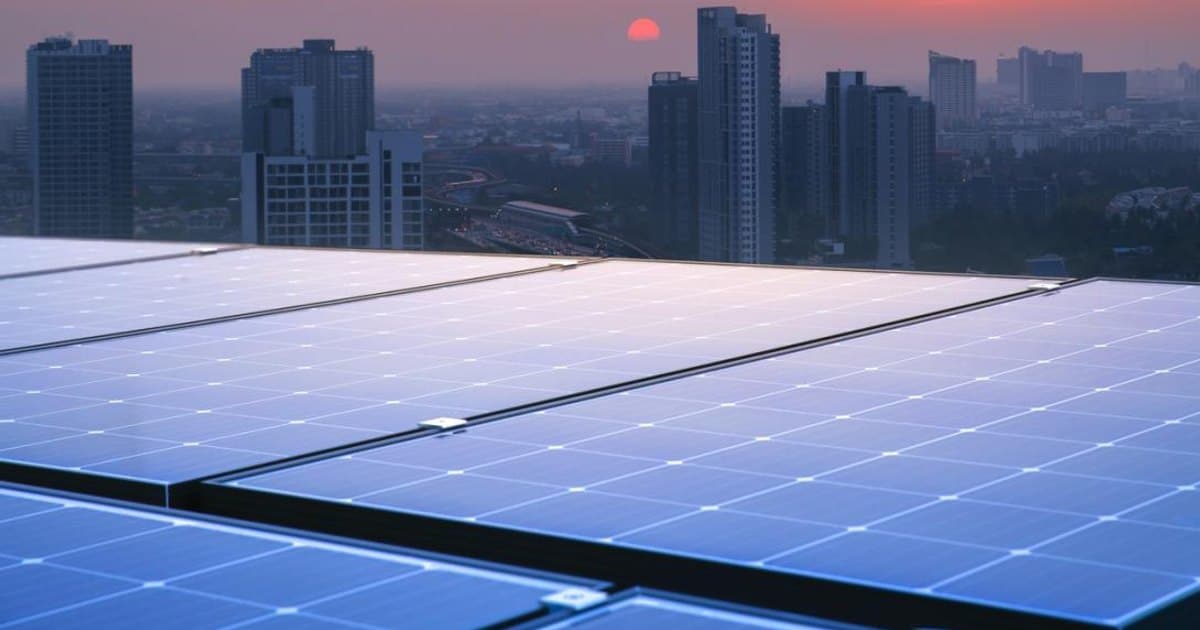
Thailand has announced a major push to install rooftop solar panels on one million homes within a year, aiming to shield consumers from volatile global energy prices. Energy Minister Akanat Promphan said the initiative would add 5 gigawatts (GW) of small-scale solar capacity and is backed by a 200 billion baht ($6 billion) emergency fund created for the energy transition.
The move comes as Thailand, a significant importer of liquefied natural gas (LNG), feels the strain of price surges linked to the conflict in the Middle East. The minister stressed that the fund's use is about securing the country's energy future, rather than remaining subject to events in the region.
Gas currently fuels more than 60% of Thailand's power generation, while renewables, including solar, account for roughly 10%. A substantial portion of the gas used for electricity is imported, with half of its LNG bought on the volatile spot market, leaving the country exposed to sudden price spikes.
The 5 GW target is set to be incorporated into Thailand's long-term power development plan, due next month. If met, it would more than double the country's existing small-scale solar capacity, which is estimated at 3.6 GW. Residential installations currently make up 1.4 GW of that total.
Thailand was once Southeast Asia's leading solar market but saw adoption slow after government incentives were reduced, allowing Vietnam to overtake it. To revive growth, the finance ministry has proposed financial support of 50,000 baht ($1,500) per household, along with access to loans for installation.
Beyond solar, the government is also looking to secure new domestic gas sources in offshore fields and negotiate long-term LNG supply agreements to diversify its import portfolio. The state-owned energy giant PTT's exploration arm has earmarked a budget for exploring new gas fields in the Andaman Sea and Myanmar.