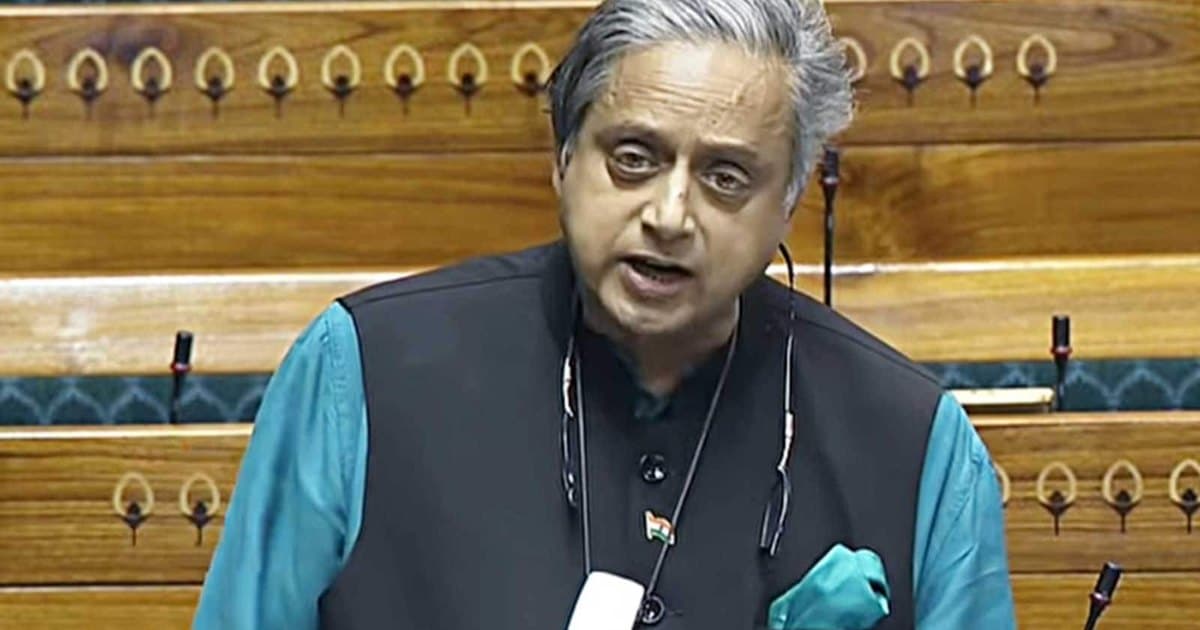
Tharoor urges paid maternity leave as exclusive breastfeeding rates fall
Shashi Tharoor has urged the government to extend paid maternity benefits to informal workers after NFHS data showed a sharp decline in exclusive breastfeeding rates.
Congress MP Shashi Tharoor has drawn attention to a worrying trend in India's maternal and child health indicators, calling for policy intervention to reverse a decline in exclusive breastfeeding rates.
Citing the latest National Family Health Survey (NFHS-6), Tharoor noted that while institutional deliveries have climbed to 90.6 percent, exclusive breastfeeding for infants under six months has fallen from 63.7 percent to 55.8 percent. He described the drop as most pronounced in rural areas and in states such as Uttar Pradesh and Haryana.
In a post addressed to Union Health Minister JP Nadda and Women and Child Development Minister Annpurna Devi, Tharoor linked the decline to the economic pressures faced by women in India's vast unorganised workforce. He pointed out that over 16 crore women work in this sector and often return to work within weeks of childbirth to sustain their households, making the recommended six months of exclusive breastfeeding practically impossible.
"Without paid maternity leave or job security, thousands of working mothers are forced back into informal labour within weeks of delivery just to survive," Tharoor said, calling the situation a disconnect between public policy and ground reality.
The MP also flagged rising C-section rates and the aggressive marketing of infant formula substitutes as additional factors undermining breastfeeding. He urged the government to extend robust financial maternity benefits to informal-sector workers, strictly enforce the Infant Milk Substitutes (IMS) Act, and strengthen postnatal lactation counselling at health centres.
Tharoor's remarks come amid growing concern over infant malnutrition and mortality, with experts viewing breast milk as a critical protective measure in early childhood.