Closing Arguments Set in Tupac Shakur Murder Case
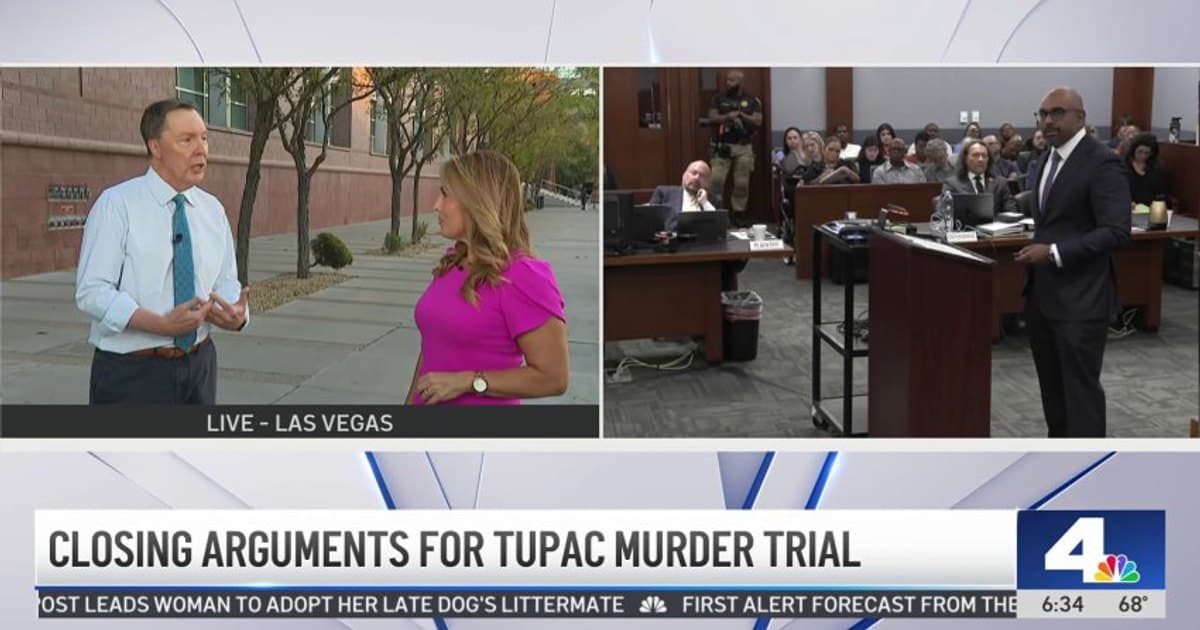
Jurors will hear closing arguments Monday in the trial of Duane Davis, accused of orchestrating Tupac Shakur's 1996 murder.
Jurors are set to hear closing arguments Monday in the trial of Duane “Keffe D” Davis, the only person ever charged in the 1996 drive-by shooting death of rapper Tupac Shakur. The arguments follow nine days of testimony from retired detectives, former gang associates, and documentarians, revisiting the night Shakur was gunned down while on his way to perform at a Las Vegas club.
Davis, 63, has pleaded not guilty to murder with a deadly weapon with gang enhancement, a charge that could carry life in prison. Prosecutors allege he orchestrated the shooting in retaliation for the beating of his nephew, Orlando “Baby Lane” Anderson, at a casino earlier that night. Davis’s defense attorney, Michael Sanft, has called the prosecution’s narrative “fiction,” arguing there is no physical evidence linking his client to the crime.
Shakur’s family, including siblings Mopreme and Sekyiwa “Set” Shakur, have attended the trial, sitting quietly through testimony. They left the courtroom before prosecutors showed autopsy photos. Shakur’s cousin, Zayd Akinyela, said the family’s presence is about seeking justice, adding that he believes Shakur’s spirit lives on through his legacy.
The case has gripped the hip-hop community for decades, partly because no one was charged until Davis’s 2023 indictment. The other three men in the Cadillac that night have since died. Retired Las Vegas police officer Garry Dale testified that he stopped Shakur and Marion “Suge” Knight’s car for a missing license plate and let them go, only to respond to the shooting about 10 minutes later. Dale said Shakur, when asked who shot him, replied something like “no, we’ll take care of it.”
Prosecutors have relied heavily on Davis’s own statements, including a 2008 federal interview, a 2009 police interview, and his 2019 memoir “Compton Street Legend,” in which he described handing a gun to backseat passengers in the Cadillac. Defense attorneys have fought to exclude the book, arguing it is fictionalized and co-authored. They also point to missing documents and what they call sloppy police work in the original investigation.
Davis, who has remained quiet in court, could face life in prison if convicted. The jury is expected to begin deliberations after closing arguments.