UN rights office: Afghanistan's humanitarian and rights crisis worsening
UN human rights office warns Afghanistan's situation is deteriorating, citing poverty, forced returns, and gender apartheid.
The United Nations human rights office has issued a stark warning that conditions for many people in Afghanistan are deteriorating rapidly, with poverty deepening and fundamental freedoms shrinking.
Speaking in Geneva, Jeremy Laurence, a spokesperson for the Office of the UN High Commissioner for Human Rights (OHCHR), said the country's de facto authorities are tightening oppressive measures month by month. He noted that hundreds of thousands of Afghans are being returned to the country against their will, even as foreign aid flows have largely dried up.
Laurence expressed concern that the international community has effectively abandoned Afghanistan, describing the lack of global response as a "deafening silence." He urged all states to reconsider their approach and prioritise the welfare of the affected population.
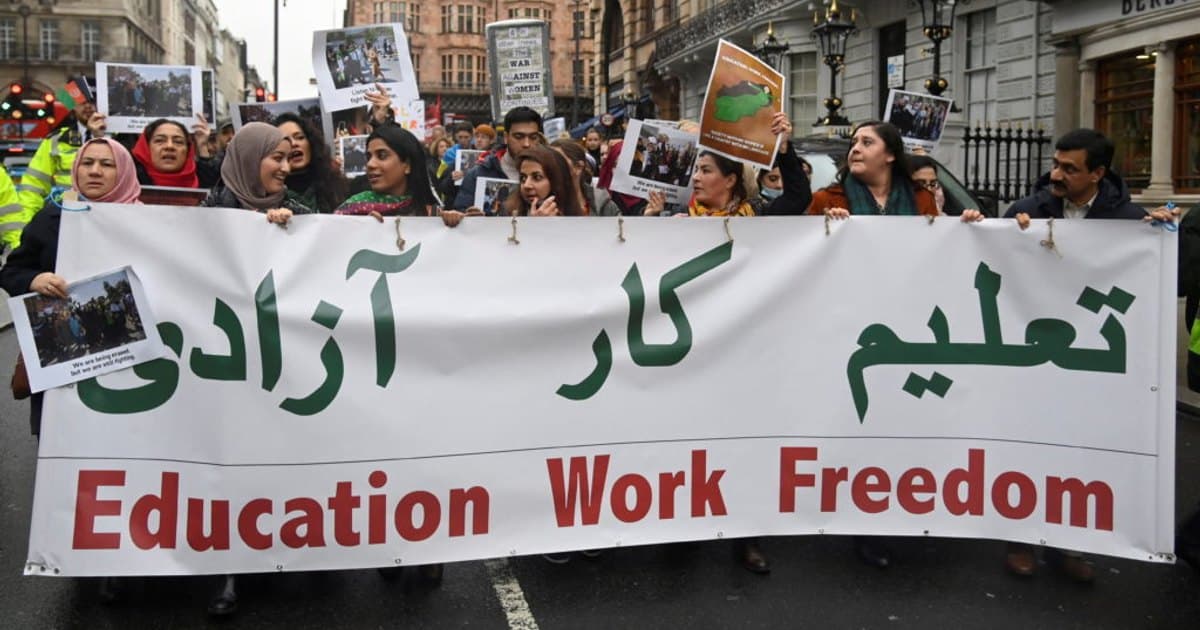
The UN rights office singled out the systematic exclusion of women and girls from public life as a particularly grave violation. New decrees issued this year have made it harder for women to separate from abusive spouses and have implicitly authorised child marriage and violence against women and children.
These restrictions, which the OHCHR characterises as gender apartheid, have become normalised and institutionalised. They bar women and girls from education, employment, and other public participation, despite repeated appeals from the UN, humanitarian groups, and several Islamic countries.
The Taliban seized power in August 2021 following the withdrawal of US and NATO forces. Since then, they have progressively restricted access to secondary and higher education for girls and women, insisting the matter is an internal affair.
Meanwhile, UNESCO continues to support education in Afghanistan through community-based programmes, literacy initiatives, and skills development projects.