Untouchability and Purity: The Legal Framework Explained
Examining legal definitions of untouchability, Supreme Court views on purity-pollution, and the Rajasthan High Court's purification ruling.
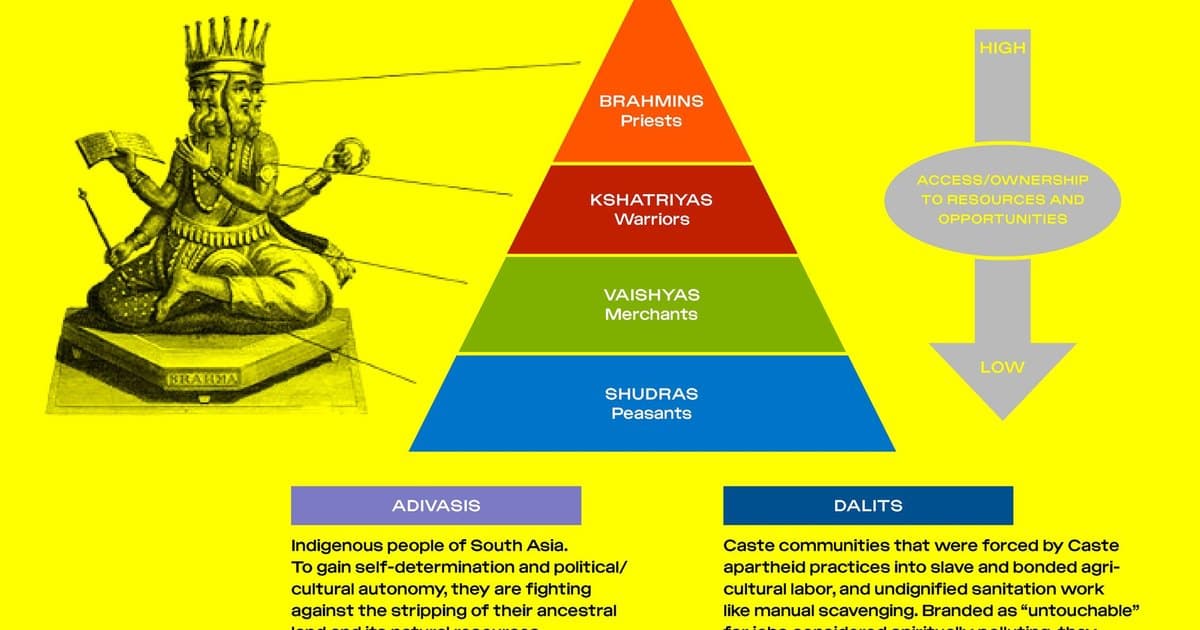
The legal concept of untouchability in India is rooted in constitutional provisions and statutory law, yet its interpretation has evolved through judicial pronouncements. The Protection of Civil Rights Act, 1955, defines untouchability in the context of practices that discriminate against individuals on the basis of caste, particularly those belonging to Scheduled Castes.
The Supreme Court has examined the notions of 'purity and pollution' in several cases, linking them to the social ostracism and segregation that constitute the essence of untouchability. The Court has held that these ideas, when used to justify exclusion or differential treatment, violate the fundamental right to equality under Article 17 of the Constitution.
In a notable ruling, the Rajasthan High Court addressed the question of 'purification' ceremonies. The Court observed that subjecting individuals to rituals of purification, after they have been deemed 'polluted' by contact with lower-caste persons, reinforces the stigma of untouchability. Such practices, the Court indicated, are antithetical to constitutional values.
Whether a specific ritual, such as the one reported in Haldwani, amounts to untouchability depends on the facts of each case. Key determinants include the intent behind the ceremony, whether it was performed to restore a person's social standing after contact with a Dalit, and whether it perpetuates a system of graded inequality. Courts assess whether the practice is rooted in caste-based discrimination and whether it denies equal access to public spaces or social interaction.
The legal framework thus treats untouchability not merely as a historical relic but as a continuing social evil that requires judicial scrutiny whenever it manifests in contemporary forms.