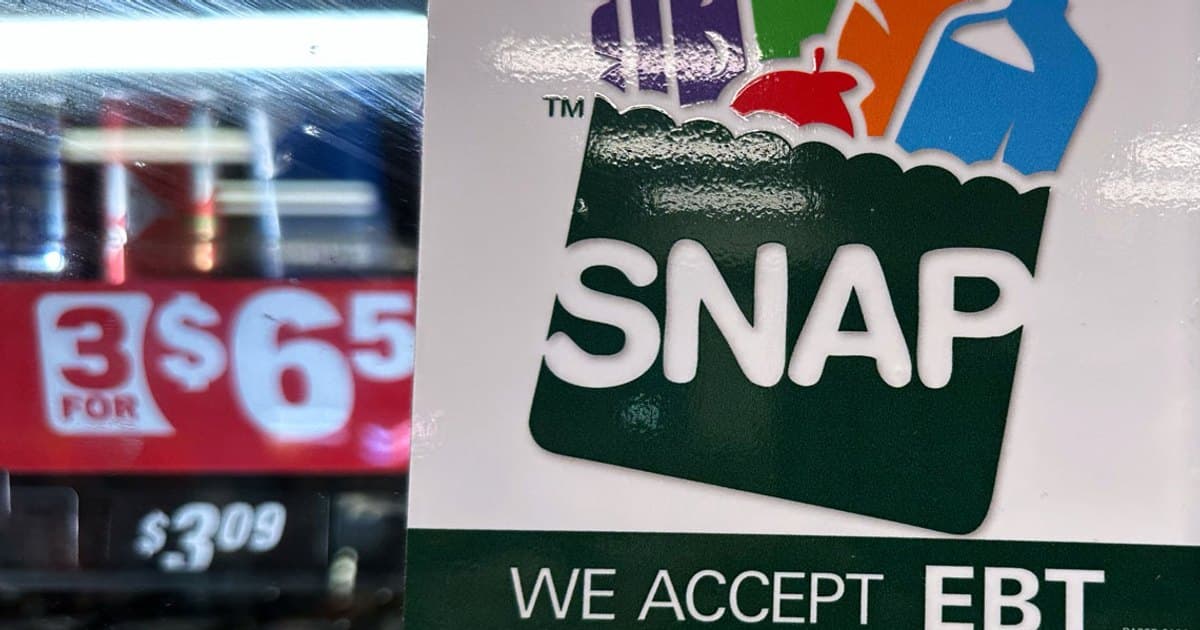
US convenience stores warn of food-stamp exit over fresh-food rule
US convenience stores warn thousands may stop accepting food stamps unless USDA delays a rule requiring more fresh produce and protein.
Nearly 250 US convenience store operators and their trade groups have urged the Department of Agriculture to postpone enforcement of a new rule that would require them to stock a wider range of fresh foods, warning that thousands of stores could otherwise stop accepting food stamps.
The rule, finalised by the USDA in May, mandates that retailers participating in the Supplemental Nutrition Assistance Program (SNAP) offer at least seven varieties in each of four staple categories: dairy, vegetables or fruits, grains, and protein. Stores that fail to comply by the November 4 deadline would be removed from the programme.
In a letter sent on August 31 to Agriculture Secretary Brooke Rollins, the retailers argued that the USDA has not issued adequate guidance on how to meet the new compliance standards. They are asking for enforcement to be delayed for six months after further guidance is released, giving them time to source compliant products, negotiate with distributors, and restock shelves.
The signatories include outlets of major chains such as 7-Eleven, Wawa, Sheetz, and RaceTrac, alongside smaller operators. The letter was also backed by the National Association of Convenience Stores, the National Association of Truck Stop Owners, and SIGMA: America's Leading Fuel Marketers.
The industry notes that more than 117,000 convenience stores currently participate in SNAP, representing the largest share of any store format and nearly half of all authorised retailers. They argue that these stores play a critical role in food access for people with unusual schedules or those living in areas without grocery stores.
The USDA had not responded to a request for comment at the time of writing.