US inflation accelerates in August as diesel hits record, home sales weaken
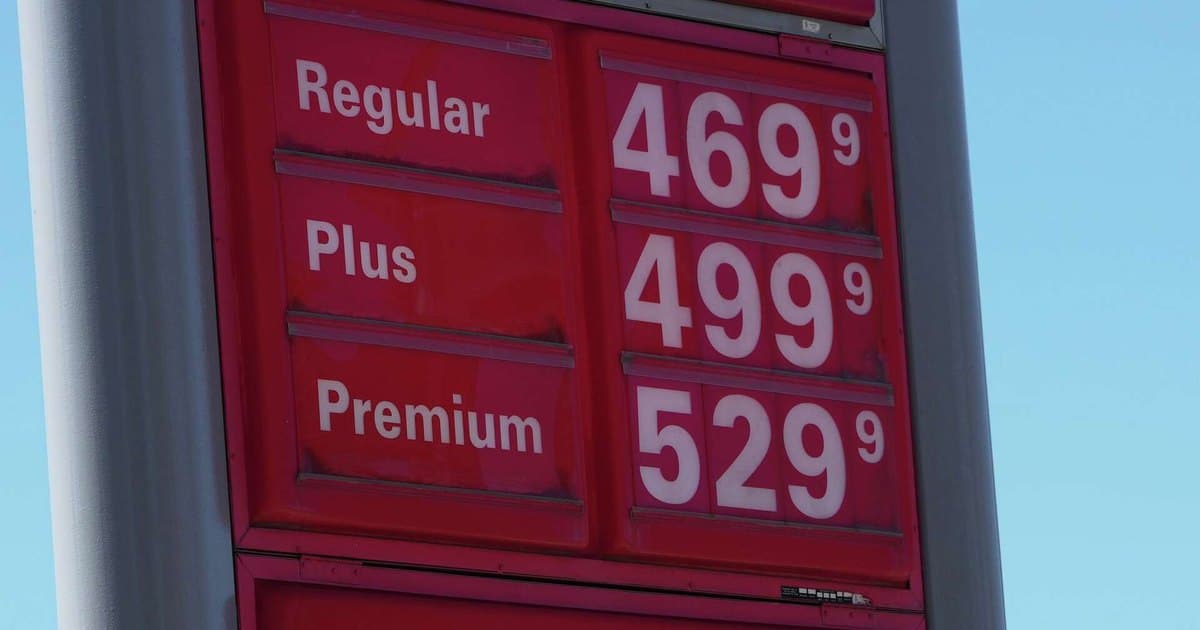
US inflation accelerated in August on higher energy costs, diesel hit a record $6.05 a gallon, and existing home sales fell for a third straight month.
US inflation accelerated in August as energy costs climbed, with the consumer price index rising 3.4% from a year earlier — unchanged from July's annual pace — but jumping 0.4% month-on-month, up from a 0.1% increase in the previous month, the Labor Department said Friday.
The figures show inflation remains stubbornly elevated more than five years after prices first surged as the economy emerged from the COVID pandemic. The persistence has complicated the Federal Reserve's efforts to control prices and has weighed on public sentiment toward the Trump administration's economic management ahead of the midterm elections.
Wholesale costs also picked up. The producer price index, which measures inflation before it reaches consumers, rose 5.4% in August from a year earlier, up from 4.8% in July. Annual wholesale inflation had peaked at 5.9% in May after the Iran conflict raised energy costs. On a monthly basis, producer prices increased 0.4% from July to August, following a 0.1% rise the month before.
Diesel prices hit another record Friday, surpassing $6 a gallon on average, as Washington's war with Iran disrupts global fuel flows. The national average of $6.05 is up from $5.85 a week earlier and $3.70 a year ago, according to AAA. Because diesel powers much freight and delivery networks, higher prices translate into costlier transportation for a wide range of goods, and some businesses have already added fees on online orders and packages.
US oil prices topped $100 a barrel Thursday amid renewed fighting in the Middle East, while President Donald Trump has intensified a trade war with Canada, a sign tariffs could still push costs higher.
The housing market showed further strain. Sales of previously occupied homes fell 2% in August from July to a seasonally adjusted annual rate of 3.98 million units, the National Association of Realtors said Thursday — the third consecutive monthly decline and a 1.2% drop from August last year. The tally fell just short of the 4 million pace economists had expected.
Mortgage rates rose for a third straight week, with the benchmark 30-year fixed rate climbing to 6.76% from 6.71%, mortgage buyer Freddie Mac said Thursday. A year ago, the average was 6.35%. The rate is now the highest since June 26, 2025, when it stood at 6.77%. The 15-year fixed-rate mortgage, often used by refinancers, rose to 6.09% from 6.04%; a year earlier it was 5.5%. Higher rates can add hundreds of dollars in monthly costs and limit buyers' purchasing power, a factor keeping home sales largely stagnant this year.
In the labor market, initial unemployment claims dipped to 206,000 last week from a revised 207,000 the prior week, the Labor Department said Thursday. The four-week average also edged down to 206,000. Claims have mostly stayed within a historically low range of 200,000 to 230,000 a week over the past year.
Stocks rebounded Friday as oil prices eased, though markets struggled to finish the week higher. The S&P 500 rose and was on track to snap a four-day losing streak, its longest since June, with the Dow Jones Industrial Average and Nasdaq also gaining. Brent crude, the international benchmark, fell 3% to $104.42 a barrel after approaching $110 overnight.