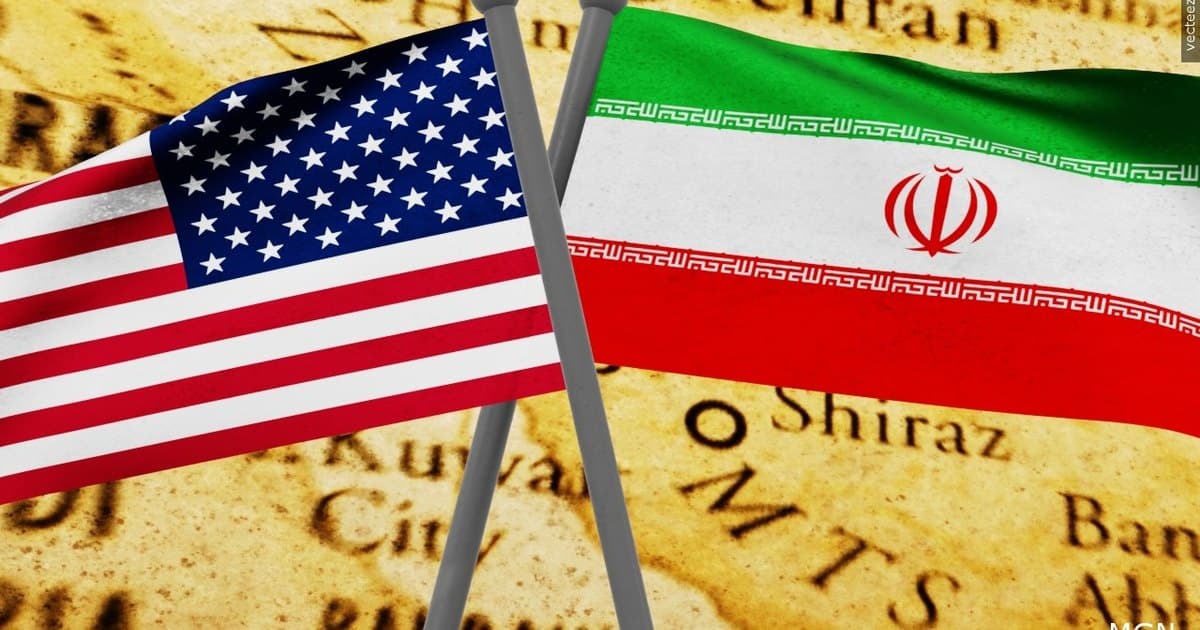
US and Iran Trade Heavy Strikes in Sharpest Escalation Since July
The US and Iran exchanged major military strikes, marking the most serious escalation in months and rattling global markets.
The United States and Iran engaged in their most significant military exchange since July, with Washington launching strikes on Iran's southern coast and Tehran retaliating against American bases in several Middle Eastern nations. The renewed hostilities have stoked fears of a wider war and sent shockwaves through global financial markets.
The US military said it targeted air defences, radar systems, maritime assets, mine-laying capabilities, and communication sites. Iran reported hits on multiple locations near the strategic Strait of Hormuz, a vital artery for global oil shipments. One resident in the affected area described the night as "like the end of the world."
In response, Iran announced it had struck US assets in Bahrain, Jordan, Kuwait, and Iraq, stating its objective is to drive American forces from their regional military bases. Tehran's military command warned of "heavier, more widespread, and devastating responses" to any further American aggression.
While Iran claimed to have killed US forces in Jordan and Iraq, American officials said initial assessments indicated no casualties. Kuwait's fire service reported extinguishing a blaze at a residential complex hit by a drone. Qatar, which hosts a major US airbase, held Iran responsible for the attacks, while Bahrain said it intercepted and destroyed Iranian drones.
Iran also alleged that two tankers were struck by mines in the Strait of Hormuz. This follows a report from Saudi Arabia's national shipping company that two Filipino crew members were killed on an oil tanker in the strait. The US Energy Secretary stated that over 17 million barrels of oil transited the strait on Monday, asserting Washington's continued role in guiding ships.
Iranian officials reported at least a dozen deaths from the US strikes, including four people allegedly killed at a wedding in Sirik. Iranian media released images of injured children and reported dozens wounded. The US military said it was aware of the reports originating from Iranian state media but maintained that it never targets civilians.
The conflict, which began with the US launching "Operation Epic Fury" in February, has proven costly for both sides. The latest exchange is the worst since July, when President Donald Trump paused intense bombing following warnings from military leaders about depleting munitions. The US President asserted that his position is stronger, citing control over the Strait of Hormuz and a collapsing Iranian economy.
The US Treasury Secretary indicated that Washington is considering new sanctions targeting airlines, the maritime industry, and digital assets. Meanwhile, Iran is reportedly determined to emerge from the conflict with sanctions lifted and a stronger grip on the strait, potentially allowing it to collect fees from ships carrying a fifth of the world's oil.