Venezuela's National Assembly Endorses US Oil Deal, Promising Economic Revival
Venezuela's National Assembly voted to support a US oil deal, projecting increased production and revenue for development.
Venezuela's National Assembly has voted in favour of an oil agreement with the United States, a move that could eventually channel billions of dollars into the crisis-hit economy. The deal, which still faces potential legal hurdles, is seen as a cornerstone of the government's plan to revitalise the nation's struggling oil sector.
Jorge Rodríguez, president of the National Assembly, championed the agreement during the session, highlighting its potential to significantly boost output. He projected an increase of 1.5 million barrels per day, alongside an investment of $109 billion, which he said would generate $209 billion in revenue for the government. Rodríguez argued that such funds are essential for building hospitals, schools, and ensuring decent wages for citizens.
Acknowledging the nation's current limitations, Rodríguez noted that Venezuela lacks the capital and technological expertise required to develop its vast reserves. He pointed to the Orinoco Belt and depleted fields in Lake Maracaibo as areas where new technology could unlock substantial resources, mentioning an estimated 12 billion barrels recoverable from the latter, a figure comparable to Nigeria's entire reserves.
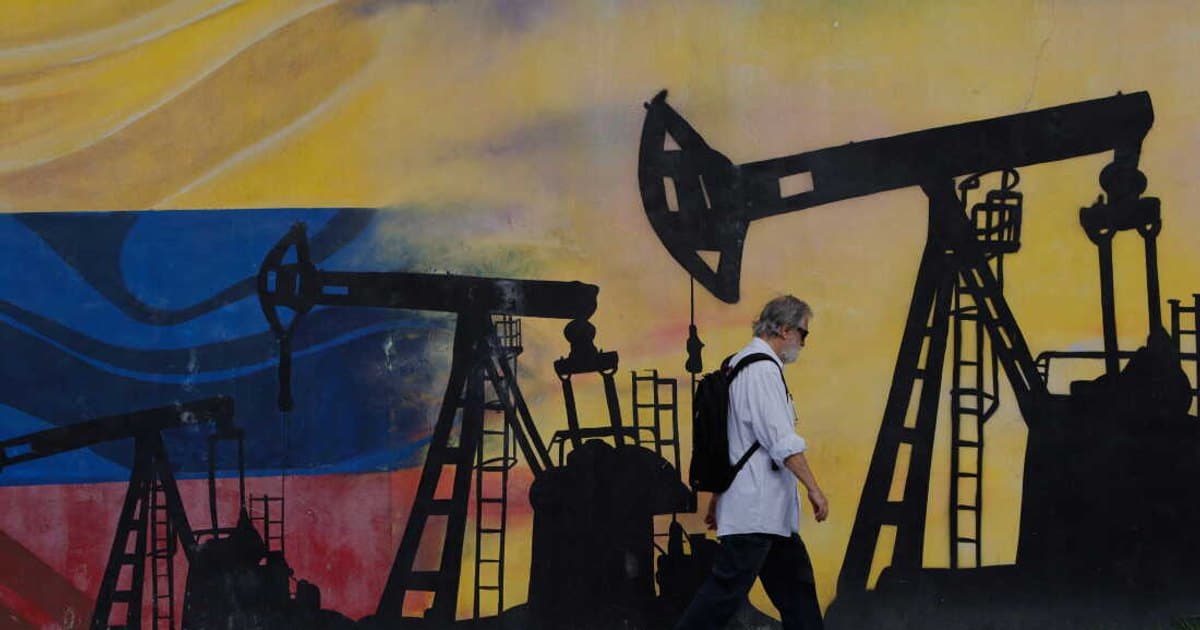
The vote comes as residents in areas like Cabimas, on the shores of Lake Maracaibo, continue to experience daily blackouts. Scenes from the region show oil pumps standing alongside homes and streets, with residents often enduring power cuts.
The White House has stated that North American Blue Energy Partners has received 100-year concessions for 17 fields holding around 65 billion barrels of proven reserves. Under the terms, the US government would receive a 35% stake in the company's parent and the right to purchase 20% of its production at cost.
Venezuela's oil industry has been hampered for years by mismanagement, underinvestment, and an exodus of skilled workers, with US sanctions compounding these difficulties. Restoring production to significant levels will require overcoming substantial infrastructural and political obstacles.