Venezuela-US Oil Deal Raises Hopes and Doubts in Lake Maracaibo
A new US-Venezuela oil agreement promises investment, but Lake Maracaibo's fishermen remain wary amid ongoing leaks and decay.
As the United States and Venezuela formalize agreements aimed at revitalizing a long-struggling oil sector, residents of the Lake Maracaibo region are approaching the promises with a mixture of hope and skepticism.
US Energy Secretary Chris Wright's visit to Venezuela has coincided with Chevron's announcement of plans to expand operations, involving investments exceeding $7 billion over five years. This follows a separate agreement with North American Blue Energy Partners, which secured 100-year concessions for 17 oil fields, with the US government receiving an ownership stake and rights to purchase a portion of production.
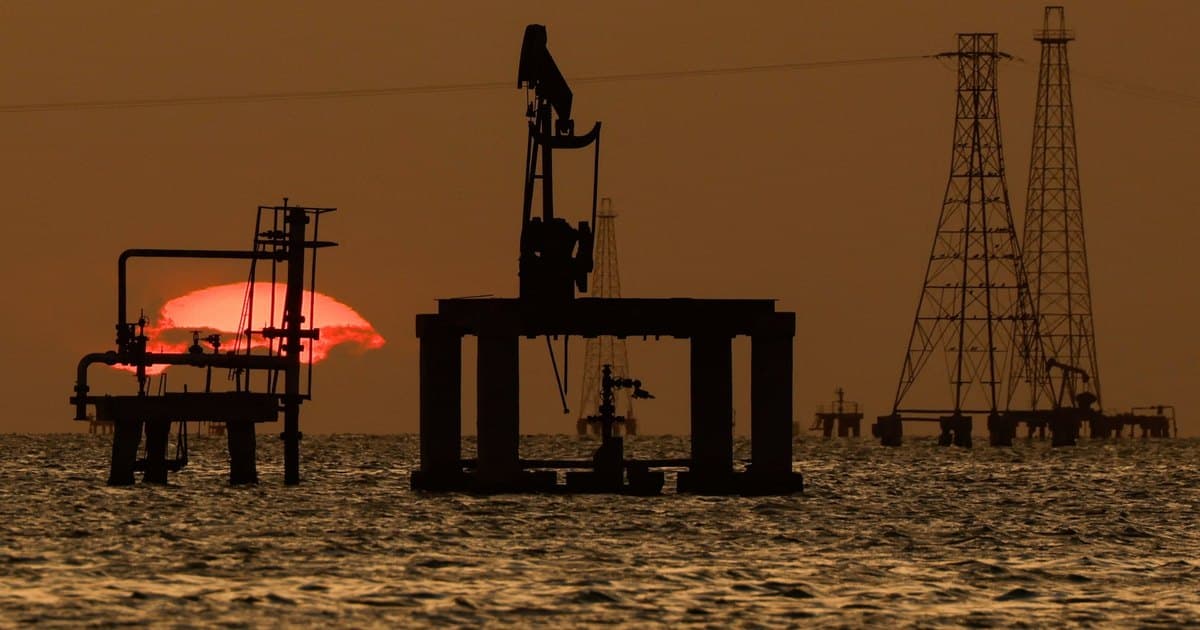
For many in the area, the industry's decline has been an inescapable reality. Fishermen navigate waters where oil and gas leaks are common, a consequence of deteriorating pipelines and infrastructure from the region's boom era. The lake's surface is dotted with damaged pumps, storage tanks, and even a collapsed electricity tower, while oil stains boats and fishing nets.
Yani Rodriguez, a local fisherman, articulated the hopes of many that a revived industry could provide a future for the next generation. He expressed a wish that his children and grandchildren could find pride and opportunity in the oil sector, perhaps as engineers, rather than inheriting the struggles of today. "If there is no agreement there will be no benefit, no future," he said.
However, the immediate challenges remain stark for others. Fisherman Carlos Rodriguez pointed to the active gas leaks from state-owned PDVSA facilities, which he says are ignored and make the environment hazardous. "There are leaks everywhere," he said. "You light a match in here and it starts a fire." The pollution directly interferes with their ability to fish and earn a living.
While the new agreements signal a potential influx of capital, analysts caution that reversing years of neglect in Venezuela's oil industry will require sustained effort and significant time, with no guarantee of a quick turnaround for the communities living with the legacy of contamination.