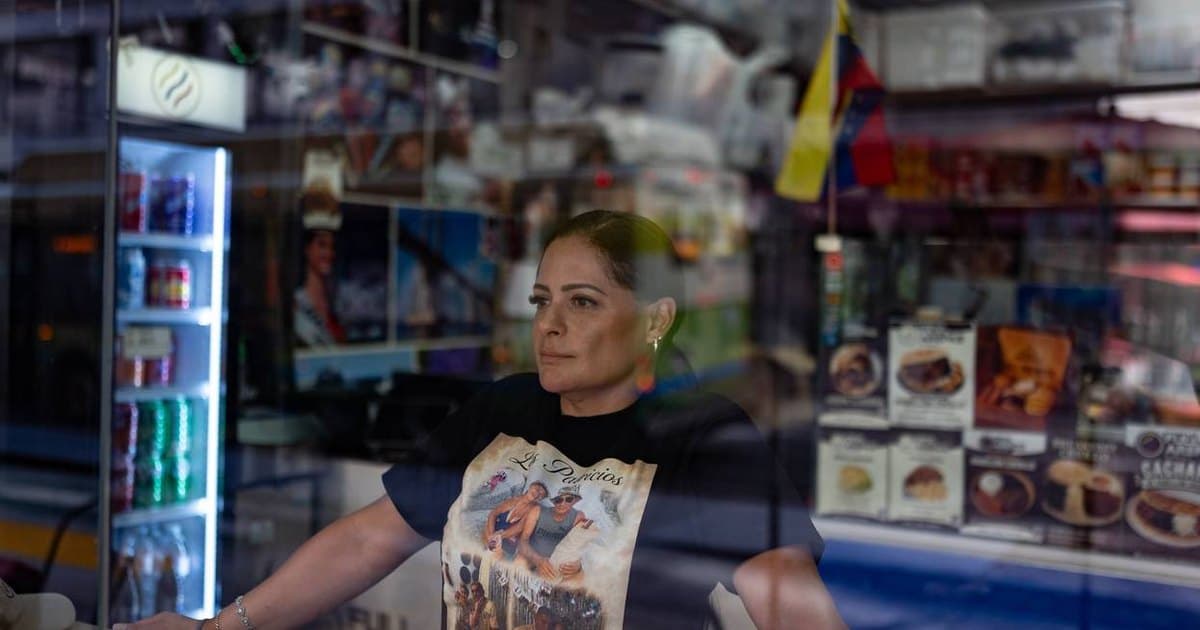
Venezuelan Diaspora in US Grapples With Earthquake Aftermath From Afar
Venezuelans in the US cope with loss from June's earthquakes while aiding recovery and facing new policy hurdles.
For Venezuelans living in the United States, the devastating earthquakes that struck their homeland in late June continue to shape daily life. The twin tremors, which hit north-central Venezuela on June 24, killed more than 6,500 people and left thousands missing, with hundreds of buildings destroyed. As the scale of the disaster became clear, many in the diaspora—a community that has grown to over 1.2 million people in the US—found themselves grappling with grief, guilt, and a sense of helplessness from thousands of miles away.
Kelly Granado Montano, a restaurant owner in Los Angeles, spent weeks in anguish after her parents disappeared beneath the rubble of their apartment building in the coastal state of La Guaira. Unable to travel and with limited support from Venezuelan authorities, she joined relatives and volunteers in a painstaking search effort. The family's ordeal ended in August when volunteers found her parents' van, with her mother and father inside. The discovery brought a bittersweet closure, as she had hoped for a different outcome.
In Austin, Texas, emergency room nurse Dariela Merchan has channeled her concern into action. Unable to return to Venezuela due to an expired passport, she has used her social media following to connect healthcare workers with telehealth opportunities and to organize shipments of supplies, including scrubs and electrolyte powder, to overwhelmed medical facilities in the affected regions.
For Alejandro Marquina, a university student in Florida, the earthquakes claimed five family members. The loss has been compounded by survivor's guilt and anxiety, prompting him to seek therapy. He has since turned to fundraising, collecting $2,000 to support survivors, including his own displaced relatives.
These personal efforts unfold against a backdrop of political change. Following a US military operation that removed former President Nicolás Maduro, the Trump administration has been tightening immigration policies, ending programs that had allowed hundreds of thousands of Venezuelans to live and work in the US legally. This adds a layer of uncertainty for a community already navigating loss and recovery, as many feel a responsibility to keep attention on their homeland's ongoing needs.