Venezuelan Oil Deal Brings Hope and Fear for Florida Exiles
U.S. gains access to Venezuelan oil, but Venezuelans in Florida face deportation and question the deal's benefits.
The United States has secured access to Venezuela's vast oil reserves, a move that carries deep significance for the Venezuelan community in Florida. In Doral, home to the largest such community in the country, reactions are mixed as residents balance economic hope against the persistent threat of deportation.
Diner Viloria, a Venezuelan living in Florida, acknowledged the potential of the agreement. "I think the deal is good, very good," he said. "The resource is in the ground. They can take it out, they can extract it. But the benefit for us now, deal aside, we're being mistreated in this country."
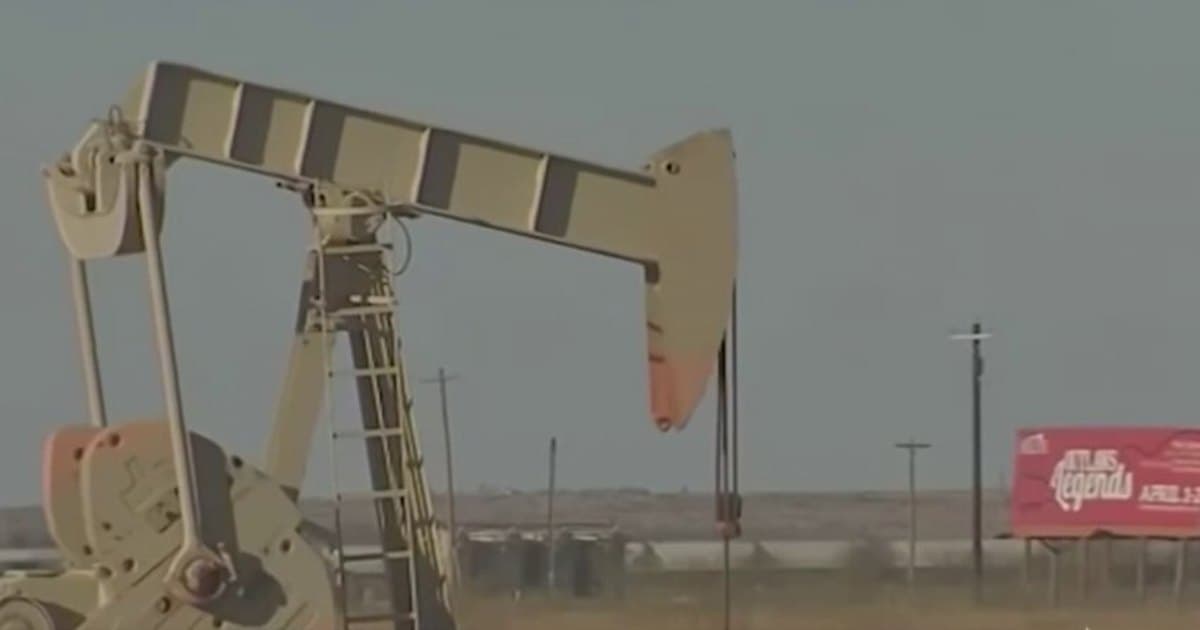
The arrangement grants U.S. companies access to an estimated 65 billion barrels of Venezuelan crude, a reserve nearly matching America's own.
Freddy Osio, another Venezuelan in Florida who has lived in the U.S. for 25 years, offered a pragmatic view. "Better 10 percent of something than 100 percent of nothing," he said. "Because now Venezuela has something to work with, to pay debts, to fix the infrastructure, which is in chaos -- the hospitals, the lives of Venezuelans, which have hit the rock bottom."
Yet for Viloria, the deal's arithmetic does not account for personal costs. He spent three and a half months in a U.S. Immigration and Customs Enforcement facility in Jacksonville after being detained while pumping gas. "They didn't ask me anything. My case just terminated. No right to speak, nothing. They took me," he recounted. His wife and young son waited during his detention.
Viloria has since been released but continues to fight his case. He is among thousands of Venezuelans in Florida who lost their temporary protected status earlier this year, leaving them vulnerable to ongoing immigration enforcement across South Florida.
Washington frames the oil pact as a partnership with the Venezuelan people. But in Doral, where many have lost protected status and arrests continue, the promise of the deal feels distant while the threat of deportation remains immediate.