Visakhapatnam Hospitals Mark World Heart Day with Command Centre, AI Risk Score
Apollo Hospitals in Visakhapatnam launched an advanced command centre and an AI-based cardiac risk score for World Heart Day, as doctors flagged rising early heart attacks in India.
Hospitals in Visakhapatnam marked World Heart Day, observed on September 29, with new cardiac services and a renewed push on early detection, in line with the World Heart Federation's "Don't Miss a Beat" campaign.
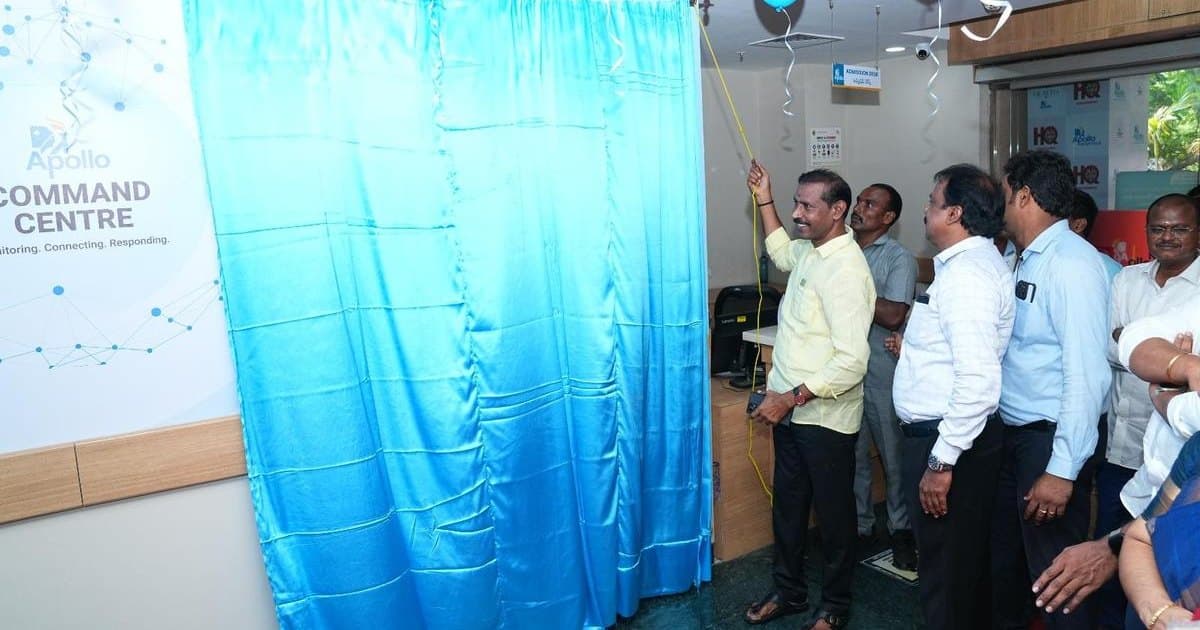
Apollo Hospitals launched an advanced command centre on Monday, inaugurated by Gajuwaka MLA and Telugu Desam Party State president Palla Srinivasa Rao. The facility connects a smart ambulance network, tele-ECG services for more than 15 nursing homes, connected-care devices, telemedicine and the airport medical centre. In the ambulances, ECGs and vital signs are transmitted to specialists while the patient is in transit, allowing emergency and cath lab teams to prepare before arrival.
The hospital also introduced an AI-based cardiac risk score that classifies a person's 10-year risk of cardiovascular disease as low, moderate or high, along with a campaign titled "Know Your Risk and Raise Your HQ", where HQ stands for Heart Quotient. Srinivasa Rao said such services would reduce the need for patients to travel to other cities and strengthen Visakhapatnam's standing as a healthcare hub.
Senior cardiologists Dr. N.K. Panigrahi, Dr. D.K. Baruah and Dr. Trivedi, nephrologist Dr. T. Ravi Raju and orthopaedician Dr. I. Satish Raju were present at the launch. Dr. Panigrahi said India had become the diabetes capital of the world, with about 33 crore people having high blood pressure, 35 crore high levels of bad cholesterol, 10 crore diabetic and 23 crore pre-diabetic, while 5 to 10 per cent of children are obese. Prevention, he said, should begin in schools and homes from a young age.
He noted that between 10 and 15 per cent of heart attacks occur in people below 45, and that early treatment requires early detection. Blood clots open better in younger individuals when medicine is administered early, he said, adding that the command centre would help connect different centres.
Separately, Dr. Ganesh Kasinadhuni, chief interventional cardiologist at KIMS Hospitals, Seethammadhara, said coronary artery disease, once regarded as a condition of the elderly, was now appearing a decade earlier, with heart attacks common in people in their late 30s and 40s. Citing the INTERHEART study, he said the average age at a first heart attack among South Asians was 53, against 63 in Western Europe, China and Hong Kong.
Abdominal obesity, diabetes, sedentary and stressful work, diets high in refined carbohydrates, smoking, alcohol and genetic predisposition were contributing factors, he said. Chest pressure on exertion, unusual breathlessness and pain radiating to the jaw, arm or back need immediate attention. He advised regular checks of blood pressure, glucose and lipids after the age of 30, and earlier for those with a family history.