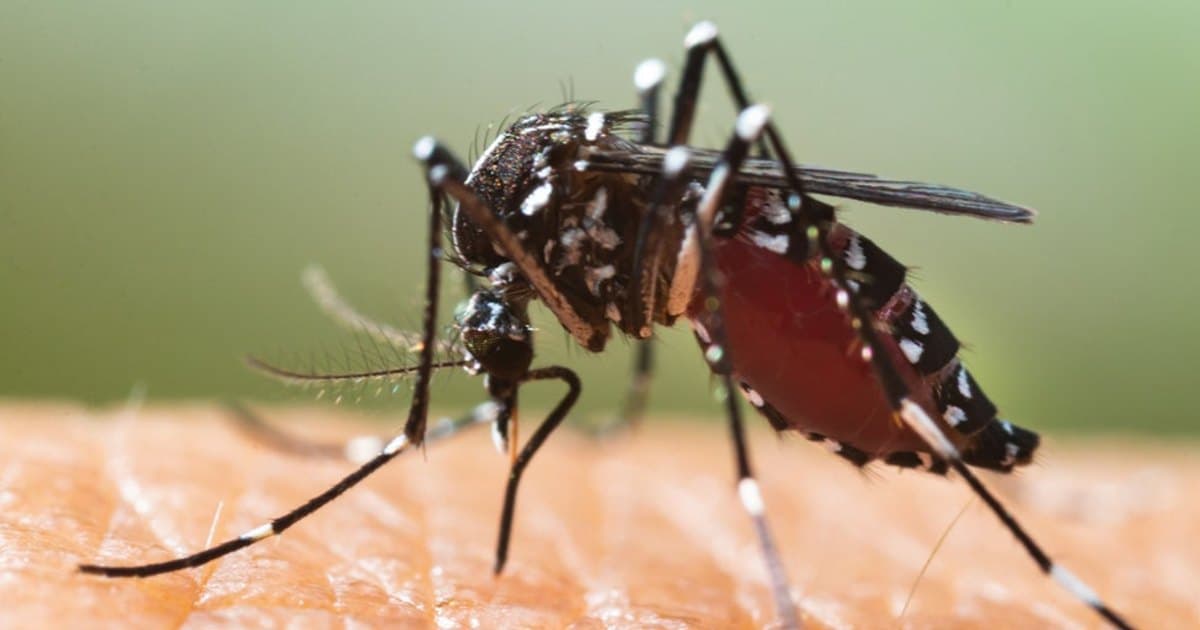
‘Can’t ask mosquitoes not to bite’: Bengal minister’s dengue remark draws flak
West Bengal minister Agnimitra Paul's remark on dengue outbreak draws criticism as cases cross 4,000 with seven deaths.
A West Bengal minister’s attempt to contextualise the state’s dengue outbreak has triggered a political storm, with critics accusing her of insensitivity at a time when the administration is grappling with rising vector-borne infections.
Agnimitra Paul, who holds the Urban Development and Municipal Affairs portfolio, told reporters that the government would need to intensify its response because mosquitoes cannot be controlled through administrative change alone. “Cannot ask mosquitoes to bite less as the government has changed,” she said.
The remark comes against the backdrop of a sharp spike in dengue cases across West Bengal, with more than 4,000 infections and seven deaths reported in recent weeks. Chief Minister Suvendu Adhikari, who chaired a review meeting earlier this week, maintained that the situation was under control and noted that current case numbers were roughly half of last year’s figures.
State Health Minister Sharadwat Mukherjee has separately advised schools to allow students to wear full-sleeved clothing during the dengue season as a precautionary measure.
However, it is Paul’s latest comment that has drawn the sharpest reaction. Former Rajya Sabha MP Jawhar Sircar took to social media to criticise the minister, recalling an earlier incident in which she was seen questioning a homeless woman who was heating milk for her baby on a pavement in Kolkata’s Park Street area.
That August 22 episode, which occurred three days after a fatal hotel fire on Mirza Ghalib Street claimed nine lives, had already sparked widespread condemnation. Paul was heard asking the woman who had permitted her to set up household on the pavement, and subsequently directed her to remove her belongings in the presence of police personnel. The chief minister later met the woman and arranged shelter for her in an attempt at damage control.
Critics now argue that Paul’s latest statement reflects a pattern of dismissive remarks on issues affecting vulnerable citizens, even as the state battles a public health challenge.