WMO: El Niño to Intensify, Persist Into 2027, Raising Extreme Weather Risks
WMO says El Niño will strengthen and persist into 2027, with near-100% likelihood through February, raising extreme weather risks.
The World Meteorological Organization (WMO) has warned that the El Niño weather phenomenon is expected to intensify further and persist into 2027, elevating the risk of extreme weather events well into next year.
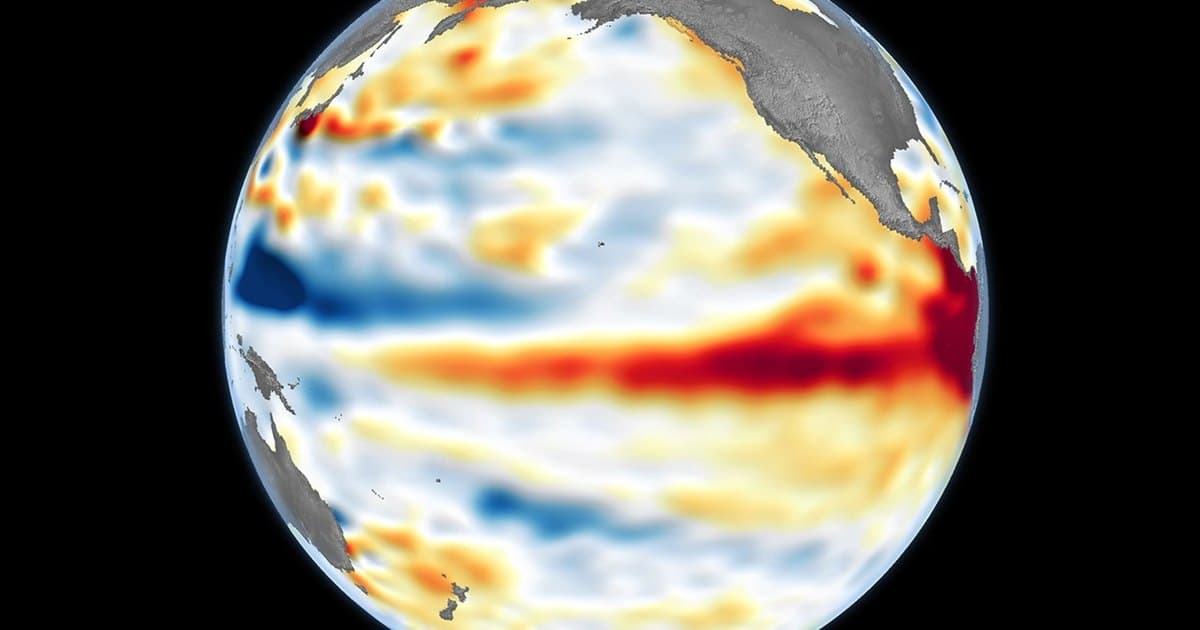
In a statement issued on Thursday, the UN weather agency said its forecasts indicate a near-100% likelihood that El Niño conditions will continue through February 2027. This prolonged episode is being fuelled by exceptionally warm sea-surface temperatures in the Pacific Ocean.
El Niño, a natural climate pattern marked by the warming of the eastern Pacific due to weakened trade winds, typically occurs every two to seven years and lasts up to 12 months. It can significantly disrupt global rainfall and temperature patterns, often triggering intense rains, droughts, and severe storms such as typhoons.
UN Secretary-General Antonio Guterres described the situation in stark terms, noting that the phenomenon is being "supersized before our eyes." He added that the science is unequivocal, pointing to the planet entering "uncharted waters" that are rapidly heating up.
The current El Niño has already had tangible consequences, particularly for agriculture in tropical regions. The WMO noted that it has contributed to a severe food crisis across Central America's Dry Corridor, impacting soft commodities.
The phenomenon is projected to reach its peak towards the end of this year. In response, WMO Secretary-General Celeste Saulo said the organisation is enhancing preparedness and early warning systems. She reaffirmed the WMO's commitment to collaborating with UN and humanitarian partners to deliver the climate intelligence needed for disaster management and climate-sensitive sectors, including agriculture, health, energy, and water resources.