Houthi Push on Mokha Threatens Yemen Truce and Red Sea Shipping
Houthi forces have entered the Red Sea port of Mokha, endangering Yemen's fragile 2022 truce and shipping through Bab el-Mandeb.
Yemen's fragile ceasefire is under mounting strain as Houthi rebels press toward a vital Red Sea port and widen a campaign against Saudi Arabia's oil exports, raising the prospect of a return to full-scale civil war in the Arab world's poorest country.
Residents said on Thursday that the rebels had entered Mokha, a port on Yemen's western coast that has been held by the internationally recognised government. If confirmed, the move would put another key entry point for food and humanitarian aid at risk and bring the Houthis closer to the Bab el-Mandeb Strait, a chokepoint at the southern end of the Red Sea.
The truce that took effect in 2022 between the Houthis and the Saudi-backed government coalition had largely held until recent weeks. It began to unravel after the rebels tested a Saudi-led blockade of territory under their control. In response, Saudi forces struck the international airport in the rebel-held capital, Sanaa — an attack the Houthis described as an attempt to stop a plane carrying their leaders home from the funeral of Iran's late supreme leader, Ayatollah Ali Khamenei.
The Houthis have also accused Yemeni government forces, backed by Riyadh, of carrying out dozens of airstrikes this week after the rebels attacked several oil facilities and utilities inside Saudi Arabia, wounding dozens of people.
With the war in Iran constricting traffic through the Strait of Hormuz, the Houthis have found a new way to pressure their neighbour: declaring a blockade against Saudi Arabia and targeting its efforts to move oil through the Red Sea. Tehran, the rebels' principal backer, has no objection to inflicting pain on the U.S.-allied kingdom as it seeks to limit Gulf oil shipments in pursuit of its war aims.
Among Iran's armed proxies, the Houthis have kept a lower profile than Hezbollah in Lebanon and Hamas in Gaza. That relative distance, along with geography, helped shield them from Israeli attack in the nearly three years since the Gaza war began. They were quickly hit by U.S. airstrikes, however, when they tried to join the regional conflict by targeting what they called Israeli-linked shipping off Yemen's west coast. Those attacks later faded.
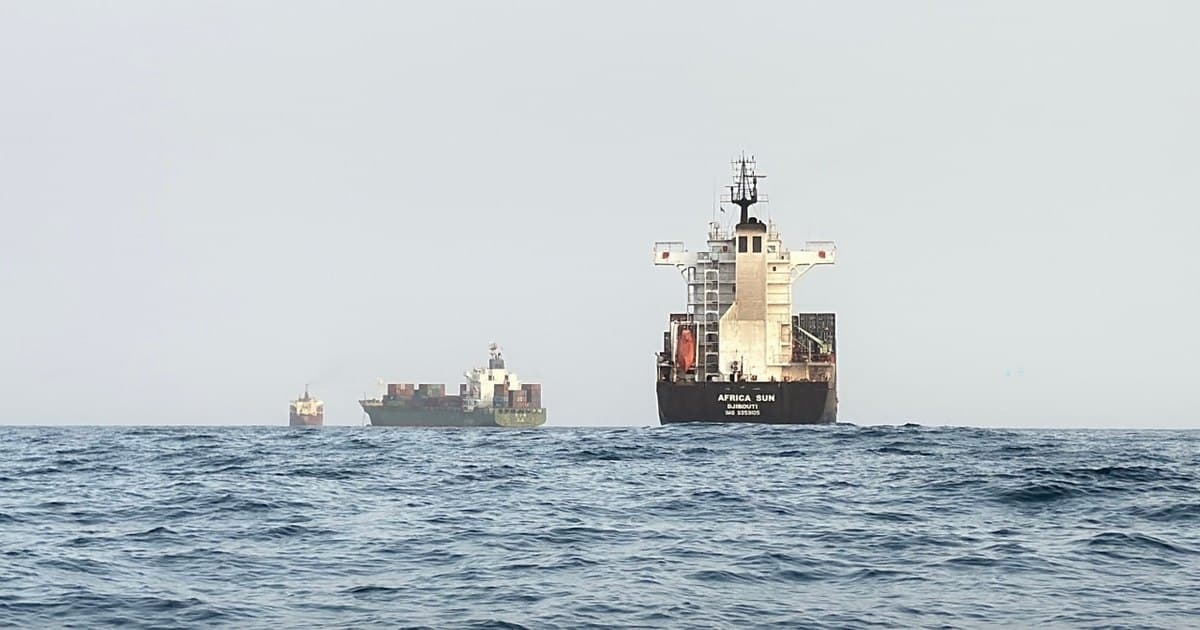
Now the rebels have returned with a different focus, aiming at Saudi ships and other assets as the kingdom seeks to export oil via the Red Sea and Bab el-Mandeb — a corridor that normally carries about $1 trillion in goods each year.
"They are no longer just positioned on the northern part of the western coast; they now control a much larger stretch of the coastline, bringing them closer to the areas around Bab al-Mandeb," said Ahmed Nagi, a senior analyst on Yemen at the International Crisis Group.
For oil consumers already unsettled by Iranian attacks on vessels transiting the Strait of Hormuz, the threat to a second global shipping lane is a flashing warning sign, particularly with crude prices again trading above $100 a barrel.
Yemen is home to more than 40 million people who fear a return to a civil war that killed 150,000 and pushed many others to the brink of famine, in one of the world's most sprawling humanitarian crises.