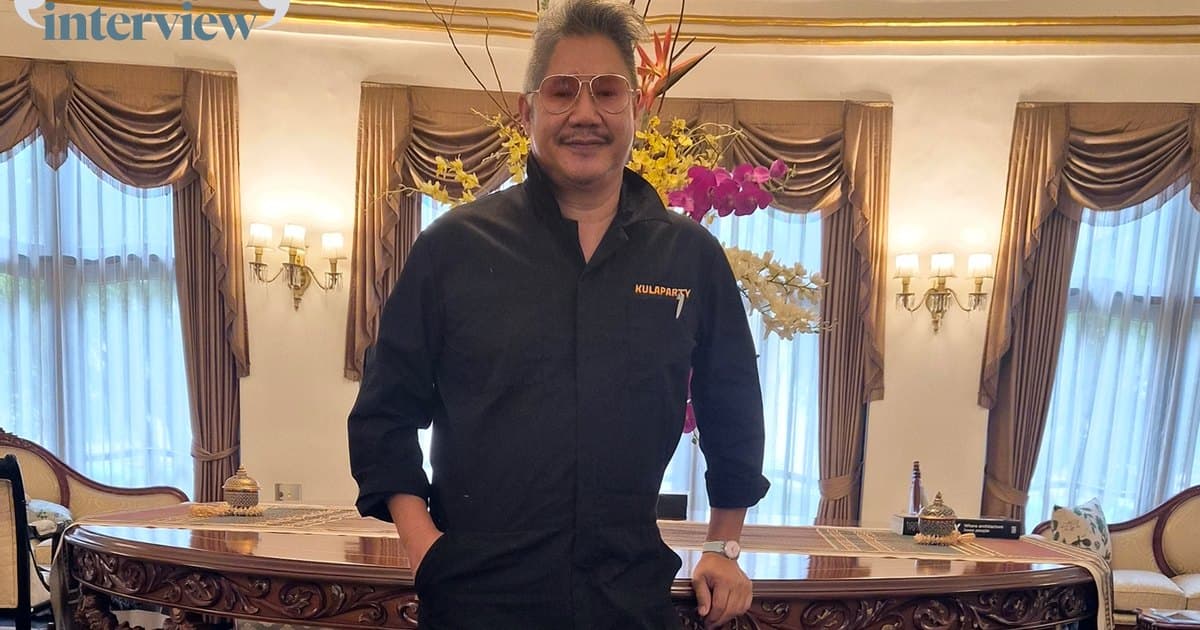
Designing the world's largest museum: Kulapat Yantrasast on making India's heritage sing
Architect Kulapat Yantrasast discusses the vision for the Yuge Yugeen Bharat Museum in New Delhi, focusing on inspiration, thematic displays, and involving artisans from across India.
After leading renovations at New York's Metropolitan Museum of Art and the Louvre in Paris, Thai-born, Los Angeles-based architect Kulapat Yantrasast is now spearheading the transformation of New Delhi's iconic North and South Block buildings into the Yuge Yugeen Bharat Museum, billed as the world's largest museum.
In an exclusive interview during a recent trip to New Delhi, Yantrasast, who heads the consortium selected by the Ministry of Culture after a public tender, shared his vision for the project. He emphasized that the primary goal is to make the museum feel accessible and welcoming, preserving the grandeur of the buildings while engaging visitors on a human level.
A key aspect of the design involves bringing artisans and craftsmen from across India to work on interiors, including furniture, woodwork, stone, and metal. This ensures that visitors from every region find something that reminds them of home, making the museum a truly pan-Indian space.
Yantrasast believes museums are no longer in the business of information but of inspiration. With technology providing easy access to knowledge, museums must offer experiences that screens cannot replicate. He stressed the importance of making the objects 'sing'—whether textiles, costumes, or stories of languages—through immersive presentation.
The exhibition strategy will avoid traditional chronological or regional displays. Instead, objects will be grouped around themes relevant to Indian civilization, such as adornment, architecture, astrology, and cosmology, reflecting the continuity of 5,000 years of culture.
Addressing the challenge of appealing to both international visitors and young Indians, Yantrasast noted that younger generations often lack awareness of their roots. He sees the museum as a way to connect them to an ongoing evolution, highlighting India's unique status as an uninterrupted civilization. The aim is not just to celebrate the past but to use it as a launchpad for the future, acknowledging that modern advancements are rooted in ancient ways of thinking.
Yantrasast described the North and South Blocks as a 'time capsule,' having been converted into offices over decades. The transformation will preserve historic rooms, frescoes, and even original benches, offering visitors a glimpse into the buildings' past. He drew parallels with the Louvre, which also evolved from a palace, and emphasized that historic buildings provide the right context for discussing cultural continuity, while modern amenities and 21st-century technology will ensure the museum remains forward-looking.